
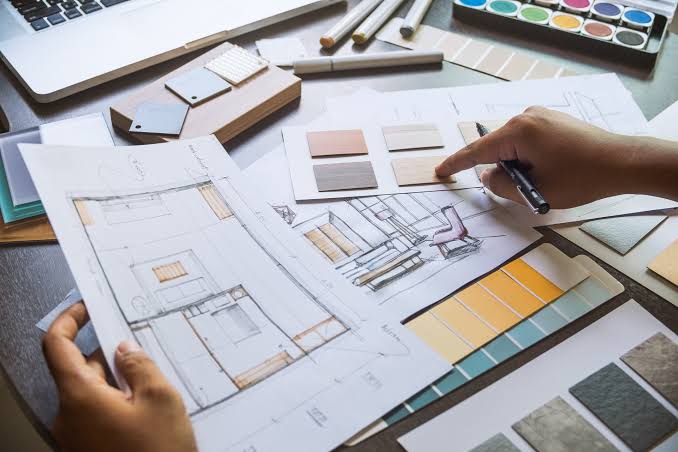
Planning a home renovation project can be exciting, but it also requires careful decisions, realistic budgeting, and proper organization. Whether you want to update your kitchen, improve your bathroom, replace old flooring, or renovate your entire house, having a clear plan can help you control costs and avoid unnecessary stress.
Many homeowners start renovation projects without understanding the full cost, the time required, or the problems they may face during construction. As a result, projects can take longer than expected and become more expensive than planned.
A successful renovation begins with understanding your needs and setting clear goals. You must also inspect your home, choose suitable materials, find reliable contractors, and prepare for unexpected expenses.
With the right approach, you can improve your home’s comfort, appearance, and functionality without losing control of your budget. Here is how to plan a home renovation project from the initial budget to the final results.
Define Your Home Renovation Goals
Before buying materials or contacting contractors, decide what you want to achieve with your renovation. Having clear goals helps you focus on improvements that provide real benefits rather than spending money on unnecessary changes.
Some homeowners renovate their properties to improve comfort, while others want to repair damaged areas, increase storage, improve energy efficiency, or prepare their homes for sale.
Walk through each room and identify the areas that need attention. Your kitchen might lack storage space, your bathroom may have outdated fixtures, or your living room may need better lighting.
Separate your ideas into essential repairs, functional improvements, and decorative changes. Problems such as water leaks, damaged wiring, and roof deterioration should generally receive attention before cosmetic upgrades.
Write down your main goals and decide what a successful renovation would look like. For example, you might want a modern kitchen with better storage without changing the existing layout.
A clear plan makes it easier to compare designs, estimate costs, and communicate your expectations to professionals.
Inspect Your Home Before Making Major Decisions
A careful inspection helps you understand the condition of your property before renovation work begins. Without this step, you may spend money improving visible areas while overlooking problems hidden behind walls, ceilings, or floors.
Check your roof, windows, doors, plumbing, electrical systems, flooring, and walls. Look for water stains, damp patches, unusual smells, damaged surfaces, and other signs that something may need repair.
Not every crack or stain indicates a serious problem, but significant or worsening damage should be investigated before construction begins.
If you plan to remove walls, change room layouts, or move plumbing, consult qualified professionals. Some walls support the structure of a house, and changing them without proper assessment can create serious safety risks.
Older homes may also contain materials that require special handling, including asbestos or lead-based paint. These materials should be assessed before they are disturbed.
An inspection gives you a clearer picture of the work required and helps you prepare a more realistic renovation budget.
Set a Realistic Renovation Budget
Your budget determines which improvements you can afford and how much flexibility you have when unexpected problems appear.
Start by calculating how much money you can comfortably spend without affecting your essential household expenses. Consider your savings, ongoing bills, and other financial responsibilities before making a decision.
Next, divide the budget into categories such as materials, labor, permits, equipment, waste removal, and design services.
For example, if your renovation budget is $10,000, you might allocate $4,000 for materials, $3,000 for labor, $1,500 for fixtures, $500 for permits and other fees, and $1,000 for unexpected expenses.
These figures are only an illustration. Actual renovation costs vary according to your location, property condition, project size, and material choices.
It is wise to maintain a contingency fund of around 10% to 20% of your planned budget. Older properties or projects involving structural changes may require a larger reserve.
Avoid spending your entire budget on the first estimate you receive. Keeping some money available can help you manage unexpected repairs without stopping the project.
Decide Which Improvements Matter Most
When planning a renovation, you may have more ideas than your budget can support. The best approach is to prioritize projects according to urgency, usefulness, and cost.
Essential repairs should usually come first. A leaking roof, damaged electrical system, or plumbing problem can become more expensive if ignored.
Once these issues are addressed, focus on improvements that make everyday life easier. Better kitchen storage, improved lighting, and more functional room layouts may provide greater practical benefits than expensive decorative features.
Consider the long-term purpose of your home as well. If you plan to live there for many years, comfort and durability may be your main priorities. If you intend to sell soon, focus on maintenance and upgrades that appeal to buyers in your local market.
Remember that not every renovation increases a property’s value by more than it costs. Your location, market conditions, and the quality of the work all influence the final result.
Choose projects that fit your needs instead of following every home design trend.
Research Designs and Choose Suitable Materials
Once your goals and budget are clear, explore designs and materials that suit your home. Online photographs, product catalogs, and home improvement websites can help you compare different styles.
However, an attractive design may not always be practical for your space. Consider room size, natural light, household needs, cleaning requirements, and long-term maintenance.
For example, a small kitchen may benefit more from better storage and brighter lighting than from expensive decorative features. A busy family bathroom may need durable surfaces that are easy to clean.
Compare materials according to quality, durability, price, installation costs, and warranty coverage. The cheapest option is not always the most affordable in the long run if it needs frequent repairs or replacement.
Measure your rooms carefully before ordering flooring, tiles, paint, cabinets, or other materials. Ask suppliers or installers how much extra material is appropriate for cutting and future repairs.
Keep your measurements, samples, product details, and design decisions organized in one place. This will make it easier to maintain a consistent appearance throughout the renovation.
Find Reliable Contractors and Professionals
Choosing the right contractor is an important part of a successful renovation. Skilled professionals can help you complete the work safely, follow the agreed design, and avoid costly mistakes.
Begin by asking friends, family members, or neighbors for recommendations. You can also research local contractors and review examples of their previous projects.
Request written estimates from several qualified professionals. Compare the work included in each estimate rather than looking only at the total price.
Before hiring someone, check relevant licenses, insurance, qualifications, and references where applicable. Ask who will supervise the work, which materials will be used, and how unexpected problems will be handled.
Your written agreement should explain the project scope, payment schedule, expected timeline, materials, and process for approving changes.
Avoid choosing a contractor based only on the lowest quote. An unusually low price may exclude important work or lead to additional charges later.
Clear communication and a detailed agreement help both parties understand their responsibilities before construction begins.
Check Permits and Local Building Requirements
Some renovation projects require permits or approval from local authorities. The rules depend on the location of your property and the type of work involved.
Simple projects such as painting walls may not require a permit. However, structural changes, home additions, and certain plumbing or electrical projects may need official approval.
If your home is in the United States, contact your local building department to confirm which rules apply. Ask whether inspections are required and whether the work must meet specific building codes.
If you live in a condominium or a planned community, check whether the property association has additional requirements for exterior changes, windows, or other improvements.
Confirm who will apply for permits and arrange inspections. Do not assume that your contractor will automatically handle every requirement.
Completing the necessary approvals before construction begins can help prevent delays, fines, and problems when you decide to sell your home.
Create a Practical Renovation Schedule
A realistic schedule helps you understand how the project will progress and when different tasks should be completed.
Divide the renovation into stages such as planning, demolition, structural repairs, plumbing, electrical work, insulation, flooring, painting, fixture installation, and final cleaning.
The correct order depends on the type of project. For example, plumbing and electrical work generally need to be completed before walls are closed, while painting and final fixture installation often happen later.
Discuss the schedule with your contractor and identify tasks that depend on other work being finished.
Remember that unexpected problems, delayed deliveries, weather conditions, and inspection requirements can affect the completion date.
If you are renovating a kitchen or bathroom, plan how you will manage daily activities while the area is unavailable. You may need a temporary cooking space or access to another bathroom.
Allowing enough time for each stage makes the renovation easier to manage and reduces pressure when delays occur.
Prepare Your Home Before Construction Begins
Preparing your home helps protect your belongings and creates a safer working environment.
Remove furniture, decorations, electronics, and personal items from the renovation area. If some belongings must remain, cover them with suitable protective materials and move them away from dust.
Discuss dust control, waste removal, ventilation, and worker access with your contractor. Temporary barriers may help prevent dust from spreading into other parts of the house.
Keep children and pets away from construction areas because tools, exposed wiring, and loose materials can create safety hazards.
Take photographs of the areas before work begins and keep copies of important project documents.
Make sure workers can reach the renovation area without blocking entrances or emergency exits. You should also agree on where tools and building materials will be stored.
Good preparation helps protect your property and allows the renovation team to work more efficiently.
Monitor Progress and Manage Changes Carefully
Once construction starts, stay involved and communicate regularly with your contractor. You do not need to supervise every task, but you should understand the project’s progress and raise concerns when necessary.
Compare completed work with the agreed plan. If something looks different from the approved design, ask questions before additional work continues.
Changes to materials, room layouts, or fixtures can increase costs and extend the schedule. Before approving a change, ask how it will affect the total price and completion date.
Request written change orders that describe the revised work, additional expenses, and any schedule adjustments.
Keep receipts, invoices, product information, and important communications organized. These records help you track spending and resolve disagreements if they occur.
Follow the agreed payment schedule and verify that the required work has been completed before making progress payments.
Regular communication helps prevent misunderstandings and makes it easier to solve problems before they become more expensive.
Inspect the Finished Work Before Final Payment
When construction is complete, inspect the renovated areas carefully before making the final payment.
Walk through the property with your contractor and check that the agreed work has been completed. Look at the quality of the finishes, the condition of the surfaces, and the operation of installed fixtures.
In a renovated kitchen, test cabinet doors, drawers, faucets, and appliances. In a bathroom, check water flow, drainage, ventilation, and visible signs of leaks.
For flooring projects, look for loose sections, noticeable gaps, or unfinished edges. Check that doors open correctly and that newly installed fixtures are secure.
Ask for the necessary warranties, manuals, permits, inspection records, and maintenance instructions.
If you find incomplete work or defects, document them and agree on a plan for correction. Make sure required inspections have been completed before treating the project as finished.
Follow the contract and local requirements when making the final payment, especially if any agreed work remains outstanding.
Evaluate the Results and Plan Future Maintenance
After the renovation is finished, compare the results with your original goals. Consider whether the improvements have made your home more comfortable, functional, attractive, or energy efficient.
Review your final expenses and compare them with the original budget. Understanding where you spent more or less than expected can help you plan future projects more effectively.
Keep a record of paint colors, material types, appliance models, contractor details, and repair dates. This information can save time when maintenance or additional improvements are needed.
Follow the manufacturer’s instructions for cleaning surfaces, servicing equipment, and replacing filters or other parts.
If your renovation included energy-saving improvements, review your utility bills over time. Actual savings depend on weather, energy prices, and household habits, so results may vary.
Regular maintenance helps protect your investment and keeps your renovated spaces in good condition for years to come.
Final Thoughts
Planning a home renovation project from the initial budget to the final results requires careful preparation, realistic expectations, and good communication.
Start by defining your goals, inspecting your property, and setting a budget that includes a reserve for unexpected expenses. Choose improvements that meet your needs, research materials carefully, and hire qualified professionals for work that requires specialist skills.
Before construction begins, confirm the necessary permits, establish a practical schedule, and prepare your home. During the project, monitor progress, document changes, and keep communication open with your contractor.
Finally, inspect the completed work, collect important documents, and plan for ongoing maintenance.
A successful renovation is not simply about making a home look different. It is about creating a safer, more comfortable, and more functional living space while managing your money wisely. With a clear plan and thoughtful decisions, you can achieve results that suit both your lifestyle and your budget.