
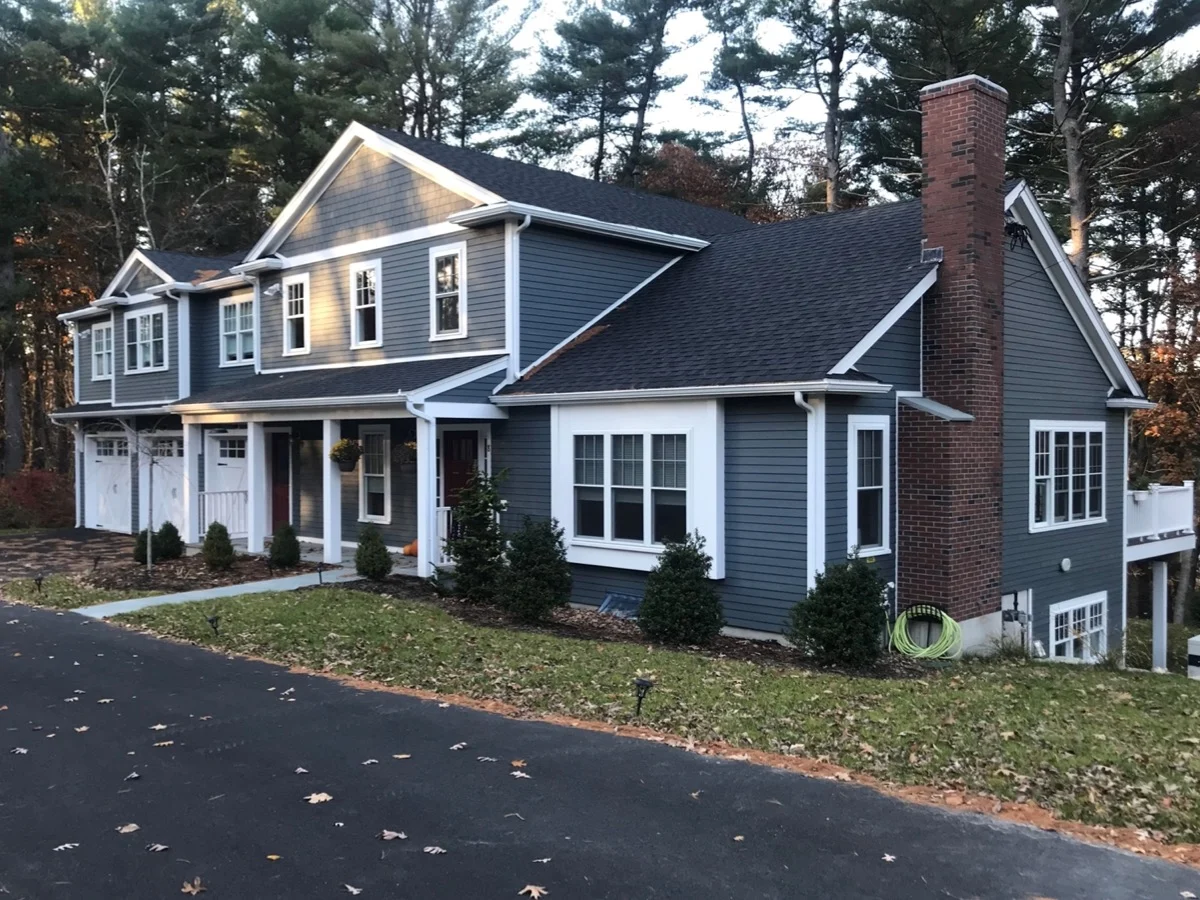
Remodeling an older home can be an exciting opportunity to improve comfort, update outdated rooms, and make better use of available space. Older houses often have unique architectural details and layouts that give them character, but they may also have hidden problems that require attention before renovation begins. From aging plumbing and electrical systems to damaged flooring and outdated insulation, these issues can affect both your budget and your plans.
Before starting a remodeling project, it is important to understand the home’s current condition, decide which improvements matter most, and prepare for unexpected expenses. A project that looks simple at first can become more complicated when walls are opened, old materials are removed, or structural problems are discovered.
The good news is that careful planning can make the process easier. Whether you want to modernize a kitchen, update a bathroom, improve energy efficiency, or renovate the entire house, knowing what to consider beforehand can help you avoid common mistakes and make smarter decisions.
Inspect the Home’s Condition Before Making Plans
The first step in remodeling an older home is understanding what needs to be repaired. It is tempting to focus on visible improvements such as new paint, flooring, cabinets, and lighting, but cosmetic changes should not come before essential repairs.
Walk through the property and look for signs of damage. Check ceilings for water stains, walls for cracks, floors for uneven areas, and windows for drafts or damaged frames. Pay attention to musty smells, peeling paint, loose tiles, and doors that no longer close properly.
These signs do not always indicate a serious problem, but they deserve further investigation. For example, a ceiling stain might come from an old leak, or it could indicate an active plumbing or roof issue.
Consider hiring qualified professionals to inspect important systems and components before committing to a renovation budget. Depending on the property, you may need a structural inspection, electrical assessment, plumbing inspection, roof evaluation, or moisture investigation.
A professional inspection can help you identify priorities and make informed decisions. It may also reveal problems that would be more expensive to correct after the remodeling work has started.
Set a Realistic Remodeling Budget
Budget planning is one of the most important parts of any home renovation. Without a clear spending limit, it is easy to underestimate costs and make decisions that place unnecessary pressure on your finances.
Begin by listing the improvements you want to complete. Separate essential work from optional upgrades. Repairing a damaged roof, replacing unsafe wiring, or fixing a plumbing leak should generally take priority over installing decorative wall panels or premium countertops.
Obtain estimates for labor and materials before deciding which projects to undertake. Remember that the cheapest quote may not offer the best value if it excludes necessary preparation, permits, cleanup, or repairs.
Your budget should account for more than the visible renovation work. Additional expenses may include:
- Removing old cabinets, flooring, or fixtures
- Repairing walls, ceilings, and subfloors
- Updating electrical and plumbing systems
- Purchasing materials and delivery services
- Paying for permits and professional inspections
- Renting tools or specialist equipment
- Temporary accommodation if the home becomes difficult to use
- Cleaning and disposing of construction waste
It is also wise to keep a contingency fund for unexpected problems. A reserve of around 10% to 20% of the planned project cost is a common starting point, although a severely outdated house may require a larger allowance.
The purpose of this reserve is not to encourage extra spending. It is to help you handle necessary repairs without abandoning important parts of the project.
Check the Electrical System
Electrical systems in older houses may not meet modern household needs. Years ago, homes often required fewer outlets and supported fewer appliances than today’s households.
Before remodeling, have a qualified electrician assess the wiring, outlets, switches, grounding, electrical panel, and other relevant components. The inspection may reveal damaged wiring, insufficient capacity, unsafe modifications, or components that need updating.
Warning signs include frequently tripping circuit breakers, flickering lights, warm outlets, burning smells, or visibly damaged wiring. If you notice burning smells, sparks, or hot electrical components, stop using the affected equipment or circuit if it is safe to do so and seek qualified assistance promptly.
Do not assume that an electrical system is safe simply because the lights work. Some problems remain hidden until a system is inspected.
A renovation also provides an opportunity to improve outlet placement and lighting. For example, a remodeled kitchen may need suitable circuits for modern appliances, while a home office may benefit from better outlet access.
Electrical work should comply with applicable local codes and be completed by qualified professionals. Attempting complicated wiring repairs without the necessary knowledge can create serious safety risks.
Evaluate Plumbing and Water Supply Lines
Plumbing is another area that deserves attention before remodeling an older property. Aging pipes, worn connections, leaking fixtures, and outdated drainage systems can cause damage behind walls and beneath floors.
Look for signs such as low water pressure, recurring drain blockages, discolored water, damp cabinets, or unexplained increases in water usage. These symptoms can have different causes, so a professional assessment may be necessary.
Ask a plumber to evaluate the condition and material of the existing pipes, drainage, shutoff valves, and water heater where appropriate. The right approach may be to repair individual problems rather than replace the entire plumbing system.
However, widespread corrosion, repeated leaks, or unsuitable materials may justify a larger plumbing upgrade. Addressing these issues during a planned renovation can be easier than opening newly finished walls later.
If you are remodeling a kitchen or bathroom, confirm that the planned layout works with the existing plumbing. Moving a sink, shower, toilet, or laundry connection may increase labor and material costs.
Before choosing expensive fixtures, make sure the plumbing behind them is in suitable condition. Attractive faucets and modern showers cannot compensate for leaking pipes or poor drainage.
Look for Structural Problems
Older houses may develop structural problems as materials age, moisture affects the building, or foundations settle. Some older homes also contain original construction methods that need careful evaluation before changes are made.
Check for significant cracks in walls or foundations, noticeably sloping floors, sagging ceilings, separating beams, or doors and windows that suddenly become difficult to open. These signs do not automatically mean the building is unsafe, but they should not be ignored.
A qualified structural engineer or experienced building professional can help determine whether a problem is cosmetic or requires repair.
Be especially careful before removing walls. A wall that appears unnecessary may support the roof, an upper floor, or another structural component. Removing it without proper assessment can cause serious damage.
If you want to create an open-plan kitchen and living room, ask a professional to determine whether the wall can be removed and whether a beam, post, or other support will be needed.
Structural repairs can increase the remodeling budget, but addressing them early helps protect the home and reduces the risk of expensive problems after the renovation is complete.
Investigate Lead Paint, Asbestos, and Other Hazardous Materials
Older homes can contain materials that require special handling during renovation. In the United States, homes built before 1978 may contain lead-based paint. Some older buildings may also contain asbestos in certain insulation, flooring, ceiling materials, or other products.
These materials are not necessarily dangerous when intact and undisturbed, but cutting, sanding, drilling, or demolishing them can release harmful dust or fibers.
If your home was built before 1978, consider appropriate lead-paint testing before disturbing painted surfaces. If you suspect asbestos, do not remove or break the material yourself. Arrange for assessment by a qualified professional and follow applicable regulations.
Avoid dry sanding old paint or using ordinary household tools to remove suspicious materials. Work involving lead or asbestos may require specialized containment, protective equipment, and approved disposal procedures.
Other concerns can include mold, pest damage, and contaminated soil in certain locations. The risks depend on the age, construction, and history of the property.
Identifying potential hazards before work begins can protect occupants, contractors, and the surrounding environment.
Decide Which Rooms Need Remodeling First
Not every room needs a complete makeover. Prioritizing the areas that need the most attention can help you manage your budget and avoid unnecessary construction.
Kitchens and bathrooms often receive attention because they experience frequent use and may contain aging plumbing, worn surfaces, or outdated fixtures. However, a damaged roof, unsafe electrical system, or moisture problem may deserve higher priority than either room.
Think about how your family uses the house. If the kitchen is difficult to work in, improving storage and countertop space may provide more practical value than purchasing premium finishes. If a bathroom has poor ventilation, correcting the moisture problem should come before replacing decorative accessories.
A useful way to organize the work is to divide projects into three groups:
Essential repairs: Structural concerns, active leaks, unsafe wiring, serious moisture problems, and other issues affecting safety or the building’s condition.
Functional improvements: Better storage, updated plumbing, improved lighting, more useful room layouts, and energy-efficiency upgrades.
Cosmetic changes: Fresh paint, decorative trim, new cabinet handles, updated colors, and other appearance-focused improvements.
This approach helps ensure that your money goes toward the most important needs first.
Improve Energy Efficiency Where It Makes Sense
Older homes may have less insulation, drafty windows, inefficient lighting, or aging heating and cooling equipment. Improving energy efficiency can make the house more comfortable and may reduce utility bills over time.
Start by checking for drafts around exterior doors and windows. Suitable weatherstripping and caulking can reduce unwanted air movement when installed correctly.
Inspect the attic and other accessible areas for insulation gaps. Depending on the home and climate, improving insulation may help maintain indoor temperatures and reduce heating or cooling demands.
Replacing traditional incandescent bulbs with suitable LED lighting is another relatively simple improvement. LEDs generally use less electricity and have longer rated lifespans.
If you are considering replacing windows, heating equipment, or an entire cooling system, compare the upfront cost with expected energy savings. Window replacement is not always the first or most cost-effective improvement, especially if existing windows can be repaired and air leaks addressed.
A home energy assessment can help identify where improvements are likely to deliver the greatest benefit. Choose upgrades suited to your local climate and the building’s existing construction.
Plan the Layout Before Buying Materials
Changing the layout of an older home can improve its functionality, but it can also increase costs quickly. Moving walls, plumbing fixtures, electrical outlets, or heating equipment may require additional labor and approvals.
Before buying cabinets, flooring, tiles, or appliances, prepare a clear plan for the finished space. Measure the rooms carefully and confirm that doors, windows, furniture, and appliances will fit comfortably.
In a kitchen, think about the distance between the sink, refrigerator, and cooking area. Make sure cabinets can open without blocking walkways and that there is enough room to use appliances safely.
In a bathroom, check that doors can open freely and that the shower, toilet, and vanity provide comfortable access.
For living rooms and bedrooms, consider natural light, furniture placement, storage, and movement through the space.
It is often less expensive to keep major plumbing and electrical locations where they are, especially if they are already in good condition. However, the most practical layout depends on the house and how you intend to use it.
Finalizing the design before purchasing materials helps prevent costly changes once the work has started.
Choose Materials That Match the House
Modernizing an older home does not mean removing every feature that makes it distinctive. Original woodwork, built-in cabinets, decorative fireplaces, and other architectural details may add character and deserve to be preserved when they are in good condition.
Choose new materials that complement the home’s style while meeting your practical needs. For example, natural wood finishes can work well in traditional houses, while simple cabinet fronts and neutral paint colors may create a more contemporary appearance.
Durability is just as important as style. Flooring in a busy hallway should handle frequent foot traffic, while bathroom materials need to suit wet conditions.
Compare products based on quality, maintenance requirements, warranty coverage, and installation needs. A cheaper material may not provide good value if it wears out quickly or requires frequent repairs.
You can also save money by restoring suitable existing materials rather than replacing them. Repainting cabinets, refinishing wood floors, repairing original doors, or updating hardware can improve the appearance while preserving useful features.
The goal is to create a home that feels updated without spending money on changes that do not improve its function or condition.
Understand Permits, Building Codes, and Local Rules
Some remodeling projects require permits or professional inspections. Requirements vary by location, the age of the property, and the type of work involved.
Cosmetic tasks such as painting a room may not require a permit, while structural changes, significant electrical work, plumbing alterations, and additions often have specific requirements.
Before starting, contact the relevant local building department or qualified professional to determine which approvals apply. If the property is in a historic district or subject to a homeowners association, additional restrictions may affect exterior changes or other aspects of the project.
Do not assume that a contractor will automatically handle every permit. Confirm who is responsible for obtaining approvals and arranging inspections.
Skipping required permits can create problems when selling the home, making an insurance claim, or completing future work. It may also result in fines or the need to correct work that does not meet code.
Following the appropriate rules helps protect the safety, value, and long-term usability of your property.
Choose the Right Contractor for the Job
Some remodeling tasks are manageable for homeowners with suitable experience, but others require professional skills. Choosing the right contractor can make a significant difference to the quality and reliability of the project.
Ask for recommendations, check references, and review examples of previous work. Verify licensing, insurance, and other credentials where required in your location.
Request written estimates from more than one qualified contractor when practical. The estimates should describe the scope of work, materials, labor, payment schedule, expected timeline, and responsibilities for cleanup and waste removal.
Be cautious about unusually low bids that do not explain what is included. A low initial price may increase later if important work was excluded.
Before signing an agreement, ask how unexpected problems will be handled and how changes to the original plan will be approved. Keep important decisions and agreements in writing.
For specialized work, such as structural modifications, hazardous-material removal, or major electrical upgrades, choose professionals with relevant experience rather than relying only on the lowest price.
Clear communication and realistic expectations can help prevent misunderstandings during construction.
Prepare for Noise, Dust, and Temporary Disruption
Remodeling an older home can affect everyday routines, particularly when several rooms are being renovated at the same time. Dust, noise, construction materials, and temporary loss of access to essential spaces can make the process stressful.
Before work begins, decide which rooms will remain usable and where furniture and personal belongings will be stored. Cover items that need protection and keep valuable possessions away from the construction area.
If the kitchen is being remodeled, plan where you will prepare meals. If a bathroom will be unavailable, arrange an alternative that works for your household.
Discuss working hours, site access, cleaning expectations, and waste removal with your contractor. Families with children, pets, or people who are sensitive to dust may need additional arrangements.
Keep construction areas separated from living spaces where possible, and make sure walkways and emergency exits remain accessible.
If the project involves major structural work, hazardous materials, or extensive utility shutdowns, temporary accommodation may be necessary. Include this possibility in your budget before committing to the renovation schedule.
Create a Realistic Remodeling Timeline
A remodeling schedule helps coordinate workers, deliveries, inspections, and household arrangements. However, older homes can present unexpected challenges that delay the work.
Before agreeing to a completion date, discuss the sequence of tasks with your contractor. Structural repairs and essential system upgrades should generally happen before new flooring, paint, cabinets, and decorative finishes are installed.
For example, completing plumbing repairs after installing new cabinets could require removing or damaging the finished work. Similarly, painting walls before repairing a roof leak may lead to stains and additional costs.
Material availability can also affect the schedule. Custom cabinets, specialty fixtures, and certain flooring products may require longer delivery times.
Ask your contractor to explain which stages depend on earlier work and what could cause delays. Keep some flexibility in your plans rather than assuming everything will proceed exactly as expected.
A well-organized schedule does not eliminate every surprise, but it can reduce confusion and help protect completed work.
Think About Long-Term Maintenance and Home Value
Remodeling should improve the home you live in today while considering future maintenance and potential resale.
Choose improvements that suit your needs and the property. Durable flooring, functional kitchens, updated bathrooms, reliable electrical systems, and improved insulation may all make a house more appealing when maintained properly.
However, the value of a renovation depends on local housing conditions, buyer preferences, workmanship, and the amount spent. An expensive upgrade does not guarantee that you will recover its full cost when selling.
If you plan to stay in the home for many years, prioritize comfort, safety, and functionality. If you expect to sell soon, compare the cost of improvements with what buyers in your market are likely to value.
Also consider future maintenance. Some materials require more cleaning, refinishing, or specialized care than others. Choosing products that fit your lifestyle can help keep long-term costs manageable.
Keep receipts, warranties, permits, and records of completed work. These documents can help with maintenance, future repairs, and property disclosures when selling.
Final Thoughts
Remodeling an older home can improve its comfort, appearance, functionality, and long-term condition, but successful results begin with careful preparation. Before choosing new colors, fixtures, or flooring, inspect the property and address important concerns involving the structure, electrical system, plumbing, moisture, and hazardous materials.
Set a realistic budget, prioritize essential repairs, and develop a clear layout before purchasing materials. Research permit requirements, choose qualified contractors for specialized work, and allow flexibility in your schedule for unexpected discoveries.
You do not need to modernize every part of the house at once. By completing the most important improvements first and choosing materials that suit the property’s age and needs, you can create a more comfortable home while controlling expenses.
The best remodeling project is one that balances appearance with safety, durability, and practical value. With the right planning, an older house can retain its original character while meeting the needs of modern living.