
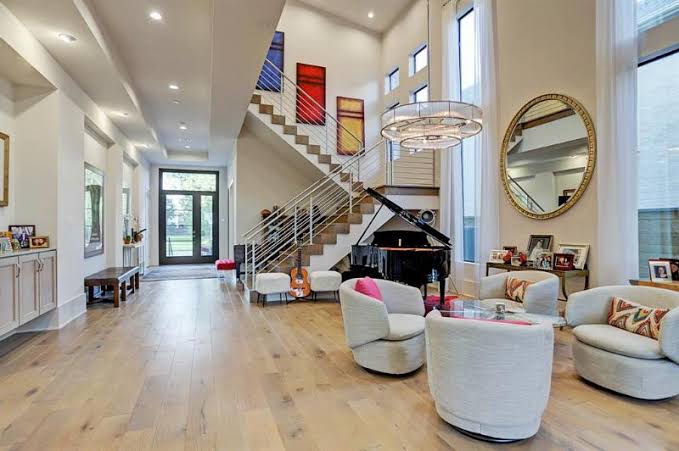
Painting the inside of a house is one of the easiest ways to give a home a fresh, clean appearance without undertaking a major renovation. A new coat of paint can brighten dark rooms, make older walls look better, and help a property feel more welcoming. However, before starting a painting project, homeowners need to understand how much it may cost and which factors can increase the final bill.
In the United States, professional interior house painting can cost around $2,000 to $4,000 for many typical projects, although smaller jobs may cost less and larger homes can require several thousand dollars more. The final price depends on the home’s size, the number of surfaces being painted, paint quality, labor rates, and the amount of preparation required. Current estimates commonly place professional interior painting in a broad range of approximately $2 to $6 per square foot, depending on the project scope.
Average Cost of Interior House Painting
The cost of painting a home’s interior is not the same for every property. A small house with smooth walls and a simple layout usually costs less to paint than a large home with high ceilings, detailed trim, and damaged surfaces.
For budgeting purposes, homeowners can use the following estimated ranges for professional painting services.
| Home Size | Estimated Cost |
| 1,000-square-foot home | 2,000–4,500 |
| 1,200-square-foot home | 2,400–5,500 |
| 1,500-square-foot home | 3,000–6,500 |
| 2,000-square-foot home | 4,000–9,000 |
| 2,500-square-foot home | 5,000–11,000 |
| 3,000-square-foot home | 6,000–13,000 |
These figures are broad planning estimates for painting interior walls, not guaranteed quotes. Actual prices vary by location, wall condition, paint selection, and contractor. Painting ceilings, doors, baseboards, and other trim can increase the total, while a smaller walls-only project may cost less.
It is also important to check how a contractor calculates square footage. Some painters use the home’s floor area, while others calculate the actual surface area of the walls. These are different measurements and can produce very different-looking prices.
How Much Does It Cost to Paint Each Room?
If your budget does not cover the entire house, painting individual rooms can be a practical alternative. You can start with the areas that need the most attention and complete the remaining rooms later.
The following estimates represent general professional painting costs for individual rooms. The actual amount depends on room dimensions and what is included in the job.
Bedroom
Painting a standard bedroom may cost approximately $300 to $800 when the project focuses on the walls. Larger bedrooms, walk-in closets, high ceilings, and additional trim work can increase the price.
Bedrooms are often among the more affordable spaces to paint because they usually have a straightforward layout. Choosing a light neutral color can also make the room feel brighter and easier to coordinate with existing furniture.
Living Room
A living room may cost around $450 to $1,500 or more to paint, depending on its size and design. Open-plan living rooms can require additional work because they connect to dining areas, kitchens, or hallways.
Rooms with vaulted ceilings, large windows, built-in shelves, or decorative features may take longer to complete. Homeowners should ask whether the estimate includes the ceiling and trim.
Kitchen
Painting kitchen walls may cost approximately $300 to $1,000, depending on the room’s size and condition. The final price can increase if the walls need extensive cleaning, patching, or special preparation.
Kitchen cabinets are generally priced separately from ordinary wall painting. Cabinets require careful surface preparation and suitable coatings to create a smooth, durable finish. Anyone planning to repaint cabinets should request a separate estimate rather than assuming the work is included.
Bathroom
A small bathroom may cost approximately $200 to $600 to paint. Although bathrooms often have less wall space than bedrooms, the work may involve careful cutting around mirrors, fixtures, vanities, and other fittings.
Moisture-resistant paint is often a sensible choice for suitable bathroom surfaces. Before painting, any leaks or persistent moisture problems should be addressed to prevent the new finish from deteriorating.
Hallways and Staircases
Hallways and staircases can cost around $300 to $1,000 or more, depending on their height, length, and accessibility. Stairwells with tall walls may require ladders, scaffolding, or specialized equipment.
These areas are frequently overlooked when planning a budget. Including them in the initial estimate helps homeowners avoid unexpected expenses once the main rooms are finished.
What Affects the Cost of Painting a House Interior?
Several factors determine how much a homeowner will pay. Understanding them makes it easier to compare estimates and decide where spending extra money is worthwhile.
Size of the Home
Larger homes generally require more paint, more preparation, and more working hours. A small home with a simple layout may be completed relatively quickly, while a large property with several bedrooms and multiple living areas can take several days or longer.
However, floor space alone does not tell the whole story. A home with high ceilings, large open rooms, or extensive wall surfaces may cost more to paint than another home with the same floor area.
Labor Costs
Labor is a major part of a professional painting bill. Painters must move or protect furniture, prepare surfaces, apply paint evenly, and clean up after the work is completed.
Labor prices vary across the United States. Contractors in expensive metropolitan areas may charge more than painters working in areas with lower operating costs. The experience of the painting crew, the complexity of the job, and the expected completion time also affect pricing.
When comparing quotes, homeowners should review the complete scope of work instead of choosing a contractor based only on the lowest price.
Paint Quality and Finish
Paint prices vary according to brand, quality, coverage, and finish. Budget-friendly paint can be suitable for some rooms, while higher-quality products may provide better coverage, washability, and durability.
The finish also matters. Flat paint can help hide small wall imperfections, while eggshell and satin finishes are commonly used where easier cleaning is desirable. Semi-gloss finishes are often selected for certain trim and doors.
The best option depends on the room’s use and the condition of the surface. Spending more on paint can be worthwhile in busy areas, but the most expensive product is not automatically the right choice for every room.
Wall Condition and Preparation
Walls that are already smooth and clean usually require less preparation. Damaged walls may need holes filled, cracks repaired, loose paint removed, and rough areas sanded before painting begins.
Stains, smoke damage, water marks, and dramatic color changes may require primer or additional coats. These extra steps can add to the total cost, but skipping necessary preparation may lead to poor coverage or a finish that does not last.
Homeowners should ask whether surface repairs and primer are included in the contractor’s quote.
Number of Coats
One coat may be sufficient for certain minor touch-ups, but a complete repaint often requires two coats for consistent color and coverage. Switching from a dark color to a lighter shade may require additional preparation or paint.
Each additional coat increases material use and labor time. Rather than automatically choosing the cheapest one-coat offer, confirm that the proposed number of coats will provide the expected result.
Ceilings, Doors, and Trim
A quote that covers only walls may look affordable at first. However, painting ceilings, doors, baseboards, window frames, and crown molding can increase the final price.
These features often require different paint products and careful brushwork. Homeowners should list every surface they want painted before requesting estimates so that contractors can price the same project.
DIY Painting vs. Hiring a Professional
Doing the painting yourself can reduce labor expenses, especially if the walls are in good condition and the project is relatively small. However, DIY painting still requires materials, tools, preparation, and time.
Painting Your Own Home
Homeowners may spend a few hundred dollars on paint and basic supplies for a modest project, although costs can rise considerably when painting several rooms or buying premium materials.
Common supplies include rollers, brushes, trays, painter’s tape, drop cloths, sandpaper, patching compound, primer, and paint. Equipment for reaching high ceilings may add another expense.
DIY painting works well for people who have the time, patience, and confidence to prepare surfaces and apply paint carefully. It can also allow the project to be completed one room at a time.
The main disadvantage is the time involved. Furniture must be moved, floors protected, and surfaces prepared before painting begins. Mistakes such as uneven coverage, visible roller marks, or paint on trim can require additional work.
Hiring a Professional Painter
A professional painter typically costs more because the price includes labor, experience, equipment, preparation, and cleanup. Hiring a professional can be especially useful for large homes, high ceilings, detailed trim, or walls that need extensive repairs.
Before hiring someone, ask for a written estimate that explains the work included. Confirm the paint brand or quality level, number of coats, surface preparation, expected schedule, and whether cleanup is covered.
It is also sensible to check references, reviews, insurance details, and any applicable local licensing requirements.
How to Save Money on Interior Painting
A beautiful result does not always require the most expensive painting package. With a little planning, homeowners can reduce costs without sacrificing essential quality.
Paint multiple rooms together. If several rooms need painting, request a combined estimate. Completing the work during one visit may be more efficient than scheduling separate projects.
Prepare the space yourself. If the contractor agrees, moving furniture, removing wall decorations, and clearing floors before the crew arrives can reduce some preparation time. Do not attempt repairs or surface treatments that require special expertise unless you know how to do them properly.
Keep the existing color when practical. Repainting a similar shade may require less coverage work than switching from a deep color to a very light one.
Choose paint according to the room. Use durable, washable finishes where they are useful rather than paying for premium products everywhere without considering actual needs.
Compare several written quotes. Obtain estimates from at least three contractors when possible. Compare the same surfaces, preparation steps, paint quality, and number of coats to understand which offer represents the best value.
Schedule the project thoughtfully. Ask local contractors whether their schedules or available packages offer savings. Avoid choosing a rushed or poorly specified job simply because it has the lowest price.
How to Estimate Your Interior Painting Budget
Before contacting painters, make a list of the rooms and surfaces that need attention. Decide whether you want walls only or whether ceilings, doors, and trim should also be included.
Next, inspect the condition of the walls. Note any holes, cracks, peeling paint, water stains, or areas where the color needs to change significantly. These details help contractors prepare more accurate estimates.
It is useful to divide your budget into three parts:
- Labor: Surface preparation, painting, and cleanup.
- Materials: Paint, primer, brushes, rollers, tape, and protective supplies.
- Extra work: Repairs, difficult access, additional coats, or painting trim and doors.
Keep a contingency of around 10% to 15% for unexpected work if your budget allows. This is particularly helpful in older homes, where repairs may become apparent only after furniture is moved or existing paint is inspected.
Finally, read the estimate carefully. A low quote may exclude repairs, primer, ceilings, or cleanup, while a higher quote may cover a more complete service. Comparing the details is more useful than comparing the total price alone.
Is Interior House Painting Worth the Cost?
Interior painting can be a worthwhile investment because it improves a home’s appearance without requiring a major structural renovation. Fresh paint can make rooms feel cleaner, help different spaces look more coordinated, and allow homeowners to update their style with a relatively manageable project.
Painting can also help a property look better when preparing it for sale or rental. However, the financial return depends on the home’s condition, local housing market, color choices, and the quality of the work. Homeowners should view painting primarily as a maintenance and appearance improvement rather than assuming it will guarantee a particular increase in property value.
Neutral colors, neat edges, and proper surface preparation generally create a versatile finish. Choosing suitable products and completing the preparation correctly can also help the paint last longer.
Final Thoughts
The average cost of painting a house interior in the United States depends on the size of the property, the surfaces included, paint quality, local labor rates, and the condition of the walls. Many typical projects fall in the range of a few thousand dollars, while larger homes or projects that include ceilings, trim, doors, and extensive repairs can cost considerably more.
Homeowners can control their expenses by comparing detailed estimates, selecting appropriate paint, preparing rooms in advance when practical, and deciding which areas need attention first. Whether you choose to paint the home yourself or hire a professional, a clear plan and realistic budget can help you achieve a clean, attractive finish without unnecessary spending.