
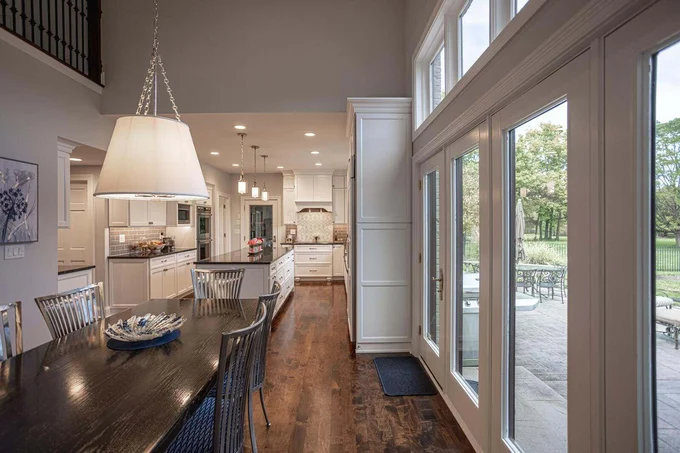
An older house can have plenty of character, but outdated colors, worn fixtures, old lighting, and cluttered rooms can make it feel less attractive than it really is. The good news is that you do not need a complete renovation to give your home a fresh, modern appearance. A few thoughtful improvements can make a noticeable difference while keeping your budget under control.
Many homeowners assume that updating an older property requires replacing everything, from kitchen cabinets to flooring and bathroom fixtures. In reality, small changes often deliver impressive results. Fresh paint, modern hardware, better lighting, simple landscaping, and improved storage can transform the way a home looks and feels.
The key is to focus on the details that have the greatest visual impact. Instead of spending money on every room at once, identify the areas that look most outdated and make improvements gradually. This approach allows you to create a more comfortable and attractive home without taking on unnecessary expenses.
Give Your Walls a Fresh Coat of Paint
Paint is one of the simplest and most affordable ways to update an older house. Over time, walls can develop stains, faded colors, scratches, and marks that make rooms appear neglected. Fresh paint can help brighten these spaces and create a cleaner overall appearance.
Neutral colors are popular in modern interiors because they work well with different furniture styles and decorative items. Warm white, light beige, soft gray, and muted earth tones can make rooms feel calm and welcoming.
However, you do not need to paint every wall white to create a modern look. A soft green or deep blue accent wall can add personality without overwhelming the space. Choose colors that work with your flooring, furniture, and natural lighting.
Before painting, clean the walls, fill small holes, and sand rough areas where appropriate. Good preparation helps the finished surface look smoother and more professional.
If your budget is limited, start with the entryway, living room, or kitchen. These spaces often have a strong influence on how people experience your home. Painting doors and trim can also improve the overall appearance without requiring a full interior makeover.
Update Old Cabinet Handles and Door Hardware
Cabinet handles, drawer pulls, doorknobs, and hinges may seem like small details, but they can make an older home look dated. Replacing worn or old-fashioned hardware is a relatively inexpensive upgrade that can create a more consistent style.
For kitchen cabinets, consider simple brushed nickel, matte black, or brushed brass handles. The best finish depends on your cabinet color, appliances, and other fixtures. Straight lines and understated designs often create a cleaner appearance.
You can also update interior door handles to match the overall style of the house. If several rooms have different hardware finishes, choosing one or two complementary finishes can help the home feel more coordinated.
Before purchasing new handles, measure the distance between the existing screw holes. Selecting hardware with the same spacing can save time and prevent unnecessary drilling or cabinet repairs.
If the cabinets are structurally sound, replacing the handles may be all they need. This allows you to improve their appearance without paying for an entirely new kitchen.
Improve Lighting Throughout the House
Old lighting can make rooms feel darker, smaller, or less inviting. Improving the lighting is a practical way to modernize an older home while making everyday activities more comfortable.
Start by replacing outdated light fixtures with simple designs that suit your interior. Modern ceiling lights, pendant lights, and wall fixtures can add style without requiring major construction.
The color temperature of your light bulbs also matters. Warm white lighting often works well in bedrooms and living rooms because it creates a relaxed atmosphere. Neutral or cooler lighting may be useful in kitchens, laundry rooms, and work areas where visibility is important.
Whenever possible, use a combination of lighting sources rather than relying on a single ceiling fixture. Floor lamps, table lamps, and under-cabinet lighting can make a room more functional and visually appealing.
You can also make better use of natural light by opening curtains during the day, cleaning windows, and choosing lighter window treatments.
When replacing fixtures, follow electrical safety requirements. If wiring is damaged or the installation is unfamiliar, hire a qualified electrician instead of attempting risky repairs.
Make the Front Entrance More Welcoming
The entrance creates the first impression of your home. Even if the rest of the property is attractive, a faded front door, dirty steps, or worn hardware can make the house appear older than it is.
Fortunately, improving the entrance does not have to be expensive.
Start by cleaning the front door, removing dirt from the surrounding area, and checking whether the paint needs refreshing. A new coat of paint in a suitable color can make the entrance stand out.
Replacing an old door handle, house numbers, or a worn doorbell can also improve the appearance. Choose finishes and designs that complement one another rather than mixing too many styles.
If space allows, place a pair of planters near the entrance. Green plants or seasonal flowers can make the home feel more inviting. A clean doormat and tidy pathway add another simple finishing touch.
Pay attention to practical details as well. Make sure outdoor lighting works properly, steps are safe, and the door opens and closes smoothly. A modern appearance is most valuable when the entrance remains functional.
Refresh Your Kitchen Without Replacing Everything
Kitchen renovations can be expensive, but an older kitchen may need only a few targeted improvements. Before replacing cabinets, countertops, and appliances, look at what can be cleaned, repaired, or updated.
If the cabinets are in good condition, painting them can create a significant visual change. Light colors may help a small kitchen feel brighter, while darker lower cabinets can add contrast when paired with lighter walls or countertops.
Replacing cabinet handles is another inexpensive improvement. You might also update an old faucet, replace a damaged backsplash, or improve the lighting above work surfaces.
A clean, simple backsplash can give the kitchen a more contemporary appearance. Depending on your budget and existing surface, options include ceramic tile or suitable backsplash panels designed for kitchen use.
Decluttering the countertops is equally important. Keep frequently used items accessible, but store appliances and other belongings that are rarely needed. Clear work surfaces make the kitchen feel more organized and spacious.
Before spending money on decorative upgrades, check for leaking pipes, damaged cabinets, or ventilation problems. Addressing these issues can prevent future repairs and protect your investment.
Replace Outdated Window Treatments
Old curtains, damaged blinds, and heavy window coverings can make rooms feel dark and dated. Replacing them with simple, well-fitted treatments is an easy way to refresh your home’s interior.
Lightweight curtains in neutral shades can help rooms feel brighter and more open. Roman shades or simple blinds may work well in spaces where you prefer a cleaner appearance.
Choose window treatments based on privacy, sunlight, and the purpose of each room. Bedrooms may need blackout curtains, while living rooms can benefit from treatments that allow daylight to enter.
Correct measurements are essential. Curtains that are too short or blinds that do not fit properly can make a room look unfinished.
You do not necessarily need expensive custom treatments. Standard-size curtains and blinds can be affordable options when the windows have common dimensions.
Keep the surrounding area clean as well. Washing windows, removing dust from window frames, and repairing damaged trim can improve the appearance without requiring a major project.
Update Old Flooring and Add Area Rugs
Flooring has a major influence on the appearance of a house. Scratched wood, stained carpet, damaged vinyl, and outdated tile can make rooms feel tired even when the furniture is attractive.
If the existing flooring is still in good condition, start with a thorough cleaning and repair any minor problems that can be addressed safely. Hardwood floors may benefit from suitable refinishing, while carpets may look better after professional cleaning.
When replacement is necessary, choose flooring that suits the room’s needs. Luxury vinyl plank can offer a wood-like appearance and straightforward maintenance. Laminate may provide a budget-friendly alternative in suitable dry areas, while ceramic or porcelain tile can work well in kitchens and bathrooms.
You do not have to replace every floor at once. Prioritize rooms where the damage is most noticeable or where the material no longer suits the space.
Area rugs offer another way to update a room without changing the flooring. A well-sized rug can define a seating area, introduce color, and make a space feel more comfortable.
Choose rugs that complement the furniture and leave enough visible flooring around the edges. In busy areas, use an appropriate nonslip rug pad to reduce movement and help prevent falls.
Modernize Your Bathroom With Small Changes
An older bathroom may look outdated because of worn accessories, poor lighting, stained grout, or old fixtures. Replacing everything can be expensive, but several smaller improvements can make the space look cleaner and more modern.
Begin with a deep clean. Remove soap residue, clean the mirror, and address stained grout using products suitable for the surfaces. Repair damaged caulking around tubs, showers, and sinks to help protect against water intrusion.
Replacing an old faucet, showerhead, towel bar, or toilet paper holder can also refresh the room. Choose finishes that coordinate with one another for a more consistent design.
A new mirror can make a noticeable difference, particularly if the existing one is small, damaged, or surrounded by an outdated frame. Better lighting around the mirror can improve both appearance and everyday use.
You can also replace an old shower curtain with a simple design and organize toiletries in cabinets or baskets. Keeping the countertop clear helps even a small bathroom feel more spacious.
Avoid covering up persistent moisture, leaks, or mold with cosmetic changes. Identify and fix the underlying problem before completing the upgrade.
Add Storage to Reduce Clutter
A modern-looking home is not only about attractive colors and furniture. Organization plays a major role in how comfortable and spacious a room feels.
Older houses sometimes lack convenient storage, which can lead to crowded countertops, overflowing closets, and items scattered throughout the rooms. Adding practical storage solutions can improve the appearance without requiring structural changes.
Use baskets, shelves, storage boxes, and drawer organizers to keep everyday belongings in their proper places. In a living room, closed cabinets can hide electronics, paperwork, and other items that create visual clutter.
In bedrooms, under-bed storage containers can help make better use of available space. In kitchens, drawer dividers and shelf organizers can make cabinets easier to use.
Wall-mounted shelves may be useful in small rooms because they provide storage without taking up floor space. However, make sure shelves are properly secured to suitable wall supports and do not overload them.
Before purchasing storage products, sort through your belongings and remove items you no longer use. Reducing unnecessary possessions can save money and may eliminate the need for additional furniture.
Improve Your Home’s Exterior
The outside of an older house deserves as much attention as the interior. Peeling paint, dirty siding, overgrown plants, and worn outdoor fixtures can affect the property’s overall appearance.
Start with basic maintenance. Clean the entrance, sweep walkways, remove weeds, and trim plants that block windows or pathways. If the exterior materials allow it, gentle cleaning can remove dirt and improve their appearance.
Inspect the front door, exterior trim, railings, and visible fixtures. Repainting damaged trim or refreshing the front door may provide a noticeable improvement at a relatively low cost.
Simple landscaping can also make the house more attractive. Add low-maintenance plants, refresh existing garden beds, or place containers near the entrance. Choose plants suited to your climate and the amount of sunlight available.
Outdoor lighting can improve visibility and make the property feel more welcoming in the evening. Use fixtures designed for outdoor conditions and install them safely.
Before investing in decorative changes, repair damaged steps, loose railings, broken gutters, or other problems that could affect safety or cause further damage.
Replace Small Fixtures That Make the House Look Dated
Some of the most noticeable signs of an older interior are small details that have not been updated for many years. Yellowed switch plates, damaged outlet covers, old-fashioned ceiling fixtures, and worn cabinet pulls can make a room feel less polished.
Replacing these items with clean, coordinated alternatives can create a more modern appearance. Choose simple designs that work with the wall colors and other hardware.
Baseboards and door trim also influence the overall look of a room. If the existing trim is damaged, repair it and apply suitable paint. In some cases, replacing severely worn trim may be worthwhile, but repainting sound materials is often less expensive.
Make changes gradually instead of buying every new fixture at once. A consistent style matters more than purchasing the latest design trend.
Electrical components should be replaced or repaired safely. If an outlet is loose, discolored, warm to the touch, or showing signs of damage, have it checked by a qualified electrician rather than treating it as a purely cosmetic problem.
Choose Modern Furniture and Decor Carefully
You do not need to replace all your furniture to make an older home feel contemporary. Often, rearranging existing pieces and removing unnecessary decorations can create a cleaner, more open appearance.
Start by looking at how furniture is arranged. Make sure there is enough room to walk comfortably between sofas, tables, chairs, and other large pieces. Avoid blocking windows or overcrowding small rooms.
Simple furniture shapes and coordinated colors can help create a modern atmosphere. You can introduce contrast with cushions, throws, artwork, or decorative objects without spending money on entirely new furniture.
Mirrors can help reflect natural light and make certain rooms feel more open. Artwork and framed photographs can add personality when displayed thoughtfully rather than covering every available wall.
Houseplants can also bring color and life into a room. Select varieties that suit your home’s lighting conditions and the amount of care you can provide.
The goal is not to make every room look identical. Instead, create a balanced appearance where the colors, textures, and furniture work together.
Improve Energy Efficiency While Updating Your Home
Some home upgrades can improve appearance while also reducing energy waste. These projects may not always be visible, but they can make the house more comfortable and help manage household expenses.
Check for drafts around windows and exterior doors. Suitable weatherstripping or caulking can reduce unwanted air movement when installed correctly. Repair damaged window seals and replace worn door sweeps when necessary.
Changing old bulbs to suitable LED lighting is another straightforward improvement. LED bulbs generally use less electricity than traditional incandescent bulbs and often last longer.
You may also consider programmable or smart thermostats, depending on your heating and cooling system. Before purchasing one, confirm that it is compatible with your equipment.
If your home has very old windows, do not assume that replacement is automatically the most cost-effective solution. Sealing air leaks, maintaining existing windows, and improving insulation where appropriate may be better starting points.
For major energy upgrades, compare installation costs with expected savings and consider getting a professional assessment. The best option depends on your climate, utility rates, and the condition of your house.
Plan Your Upgrades Around Your Budget
Even small improvements can become expensive when several projects are started at once. Creating a simple budget helps you focus on the changes that offer the most value for your money.
Begin by listing the areas that need attention. Separate essential repairs from cosmetic improvements. Leaking plumbing, electrical hazards, roof damage, and moisture problems should generally take priority over decorative changes.
Next, estimate the cost of each project. Include materials, tools, delivery charges, and professional labor where needed. Compare products before buying, but consider quality and suitability rather than choosing solely by the lowest price.
A practical approach is to complete one room or project at a time. For example, you might paint the living room first, update kitchen hardware next, and improve the entrance after that. This makes it easier to manage spending and evaluate the results.
You can also save money by reusing furniture, borrowing tools, completing straightforward tasks yourself, and shopping during legitimate sales. However, avoid DIY work that requires skills or safety measures you do not have.
Final Thoughts
Making an older house look modern and attractive does not require a complete renovation or a large budget. Small improvements such as fresh paint, updated hardware, better lighting, cleaner flooring, and organized storage can change the appearance of a home considerably.
Focus first on the areas that look worn or outdated, and take care of necessary repairs before adding decorative touches. Choose colors and finishes that complement one another, and make upgrades gradually so you can control your expenses.
A modern home is not simply a house filled with new products. It is a space that feels clean, comfortable, functional, and well cared for. With thoughtful planning and a few affordable changes, you can bring new life to an older property while preserving the character that makes it special.