
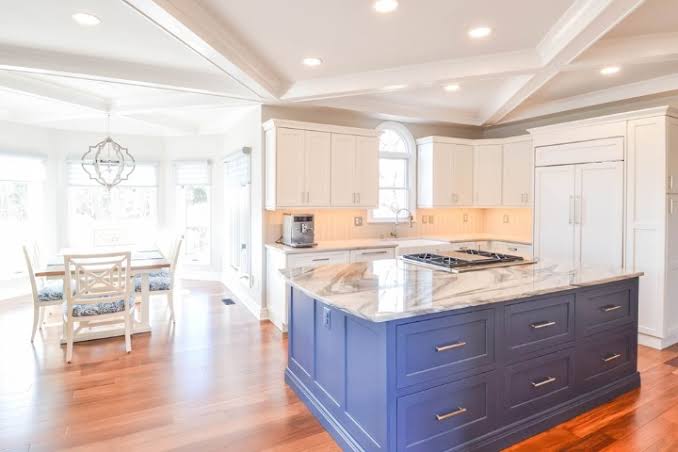
A comfortable home is more than just a place to sleep and keep your belongings. It is where you relax after a busy day, spend time with family, and enjoy your daily routine. However, as a house gets older, some areas may become less comfortable, less practical, or less attractive. The good news is that you do not always need a complete renovation to improve your living space.
The right home improvement projects can make your house easier to maintain, more enjoyable to live in, and potentially more valuable when you decide to sell it. Some upgrades focus on appearance, while others improve energy efficiency, safety, storage, or everyday convenience.
Before starting any project, consider your budget, the current condition of your home, and your long-term plans. You should also remember that no improvement guarantees a specific increase in property value. The results depend on your location, local housing market, construction quality, and buyer preferences.
Here are 15 practical home improvement projects that can make your house more comfortable and appealing without requiring a complete makeover.
1. Refresh Your Walls With a New Coat of Paint
Painting is one of the simplest ways to improve the appearance of your home. Over time, walls can develop stains, scratches, faded areas, and marks from everyday use. These small problems can make rooms look older than they really are.
A fresh coat of paint can make a room feel cleaner and more welcoming. Neutral shades such as white, beige, light gray, and soft cream are popular choices because they work with different furniture styles and can help smaller rooms feel brighter.
You do not need to paint every room at once. Start with the living room, hallway, or another area that receives regular use. Clean the walls, repair small holes, and prepare the surface before applying paint.
If you plan to sell your home, simple colors may appeal to more potential buyers than highly personal color choices. For the best results, choose paint that suits the room and can handle its normal level of moisture and activity.
2. Upgrade Your Kitchen Without Replacing Everything
The kitchen is one of the most frequently used spaces in a home. A functional kitchen makes cooking, cleaning, and preparing meals much easier. However, a full kitchen renovation can be expensive.
Instead of replacing everything, focus on smaller improvements that make the space more useful. You could replace outdated cabinet handles, add drawer organizers, improve task lighting, or install simple shelving.
Cleaning cabinet doors and countertops can also make a noticeable difference. If the cabinets are in good condition but look old, repainting them with suitable materials may give them a fresh appearance.
Pay attention to storage and movement. Keep frequently used cooking tools within easy reach, and avoid placing unnecessary items on countertops.
These changes can improve the kitchen’s appearance and everyday function while keeping costs under control.
3. Improve Bathroom Comfort and Function
A clean, well-maintained bathroom can make daily routines more comfortable. You do not need to install an expensive bathtub or completely replace the tiles to improve this space.
Start by fixing dripping faucets, replacing worn shower curtains, and improving storage. A new mirror, modern cabinet handles, or better lighting can also make the room look more attractive.
Ventilation is especially important in bathrooms because excess moisture can lead to mold, unpleasant smells, and damage to surfaces. Make sure the exhaust fan works properly and use it during and after showers according to the manufacturer’s guidance.
If you notice persistent moisture, damaged flooring, or signs of water leaking behind walls, investigate the cause before making cosmetic changes.
A bathroom that looks clean and works properly can improve everyday comfort and help create a positive impression on future buyers.
4. Replace Old Lighting With Energy-Efficient Options
Lighting affects how your home looks and feels. Dark rooms may seem smaller, while well-lit spaces can feel more open and inviting.
Replacing old light bulbs with energy-efficient LED bulbs is a relatively simple improvement. LEDs generally use less electricity than traditional incandescent bulbs and often last longer.
Consider the purpose of each room when choosing lighting. Warm lighting may create a relaxing atmosphere in bedrooms and living rooms, while brighter task lighting can help in kitchens, bathrooms, and home offices.
You can also add table lamps, floor lamps, or lights beneath kitchen cabinets. These options can improve visibility without requiring major electrical work.
Make the most of natural light by cleaning windows and opening curtains during the day. If you plan to install new fixtures or modify electrical wiring, hire a qualified electrician when needed.
5. Improve Insulation and Seal Air Leaks
A house that loses too much heat in winter or becomes excessively warm in summer can be uncomfortable and expensive to maintain. Insulation and air sealing can help improve indoor comfort throughout the year.
Start by checking common areas where air may enter or escape, such as gaps around doors, windows, and suitable exterior openings. Weatherstripping and door sweeps may help reduce drafts.
Attic insulation can also be important because heat moves through the building envelope. However, the right solution depends on your climate, current insulation levels, ventilation, and the design of your home.
Air sealing should be completed carefully. Do not block required ventilation openings or areas that supply combustion air to fuel-burning equipment.
If your home has uneven temperatures or high heating and cooling bills, a professional energy assessment may help identify the most effective improvements.
Better insulation can make rooms more comfortable and may reduce energy use, although actual savings depend on the house and local weather conditions.
6. Upgrade Windows or Improve Their Performance
Windows allow natural light into your home, provide views of the outdoors, and help maintain indoor temperatures. Old or poorly sealed windows may contribute to drafts, outside noise, and higher heating or cooling costs.
Replacing every window can be expensive, so begin by inspecting the existing ones. Check for damaged seals, loose locks, cracked glass, and gaps around the frames.
Simple maintenance, suitable weatherstripping, and repairing damaged components may improve performance. Curtains and blinds can also help manage sunlight and privacy.
If the windows are badly damaged or inefficient, replacement may be worth considering. Compare the total cost, expected performance, and maintenance needs of different options before making a decision.
Do not assume that new windows always provide the best financial return. In some homes, improving insulation or addressing air leaks elsewhere may be a more cost-effective first step.
7. Make Your Home More Energy Efficient With Better Appliances
Household appliances can account for a meaningful part of your energy use. Refrigerators, washing machines, dishwashers, and other equipment are used regularly, so their efficiency can affect monthly utility bills.
When an appliance needs replacement, compare its energy consumption, purchase price, size, and expected lifespan. An efficient model may cost more initially but could save money over time, depending on how often you use it.
You do not need to replace appliances that still work well simply because a newer model is available. Instead, follow maintenance instructions, clean filters where applicable, and use energy-saving settings when practical.
Avoid running washing machines or dishwashers with very small loads unless necessary. Also, check refrigerator door seals and make sure the appliance has enough space for proper ventilation.
Thoughtful appliance choices can support a more comfortable home while helping manage long-term household expenses.
8. Improve Your Front Door and Entryway
The entrance is one of the first areas people notice when visiting your home. A clean and attractive entryway can improve curb appeal and make daily arrivals more pleasant.
Start by cleaning the front door, removing dirt from the porch, and organizing shoes, packages, and outdoor items. If the door looks faded, a suitable new coat of paint may improve its appearance.
Check that the door closes properly, the lock works, and the weatherstripping is in good condition. If the door is damaged, difficult to secure, or allows significant drafts, repairs or replacement may be appropriate.
You can also update the house numbers, replace a worn doormat, or add suitable outdoor lighting.
These small projects are generally easier to manage than a major exterior renovation, yet they can make the property look better maintained.
9. Create More Storage Space
A home can feel crowded when everyday belongings do not have a proper place. Better storage helps reduce clutter and makes rooms easier to use.
Start by sorting through items you no longer need. Donate usable belongings, recycle suitable materials, and dispose of damaged items responsibly.
Next, make better use of the storage space you already have. Drawer dividers, closet organizers, labeled boxes, and under-bed containers can help keep belongings organized.
Wall shelves may provide additional space for books and decorations without using valuable floor area. Make sure shelves are attached securely and are suitable for the expected weight.
In kitchens, use cabinet organizers to improve access to pots, pans, and food supplies. In entryways, hooks or a small storage bench can help manage coats, bags, and shoes.
Effective storage can make a home feel larger without changing its actual size.
10. Improve Your Backyard or Outdoor Living Area
An attractive outdoor space can give your family another place to relax, eat, or spend time together. You do not need a large garden or an expensive outdoor kitchen to create a useful area.
Start by cleaning the yard, trimming overgrown plants, and removing unnecessary clutter. If you have a lawn, maintain it according to the needs of your grass and local climate.
Consider adding a small seating area, affordable outdoor chairs, or a simple table. Potted plants can add color to patios, balconies, and entrances.
If you have a deck or patio, inspect it for loose boards, damaged surfaces, and other safety problems before using it regularly. Keep walkways clear and ensure outdoor lighting is suitable for evening use.
A well-maintained backyard can improve everyday enjoyment and help potential buyers imagine how they might use the outdoor space.
11. Make Flooring Look Better and Last Longer
Flooring has a major effect on the appearance and comfort of a home. However, replacing every floor can be costly, especially when the existing material is still in reasonable condition.
Begin by cleaning the floors using products suitable for their materials. Remove stains carefully and protect surfaces from scratches caused by furniture.
Repair loose floorboards, damaged transitions, or small areas of deterioration when possible. Place suitable rugs in areas where you want extra comfort or a softer surface underfoot.
If the flooring is badly damaged or difficult to maintain, compare replacement options based on durability, installation costs, cleaning needs, and the room’s moisture levels.
For example, a flooring material suitable for a bedroom may not be the best choice for a bathroom. Choose products designed for the conditions in which they will be used.
Well-maintained floors can make rooms look cleaner and improve how comfortable they feel.
12. Improve Indoor Air Quality and Ventilation
Good indoor air quality supports a more comfortable living environment. Dust, smoke, excess moisture, and other pollutants can build up when a home is not cleaned or ventilated properly.
Start by cleaning regularly, vacuuming carpets, and washing bedding according to its care instructions. Replace heating and cooling system filters as recommended by the equipment manufacturer.
Use kitchen exhaust fans while cooking and bathroom exhaust fans during and after showers when appropriate. These fans can help remove moisture and cooking odors.
If you use an air purifier, select a model suited to the room size and the pollutants you want to reduce. Follow the manufacturer’s guidance for filter replacement and maintenance.
Address sources of moisture rather than relying on cleaning products alone. Persistent leaks, condensation, or mold may require professional assessment.
Improving ventilation and keeping indoor spaces clean can make your home more pleasant without requiring major structural changes.
13. Add a Functional Home Office
Working or studying from home is easier when you have a comfortable, organized place to concentrate. A home office does not need to occupy an entire room.
If space is limited, consider using a quiet corner of a bedroom or living room. Choose a desk that fits the available area and provides enough space for your computer, documents, and other essentials.
A suitable chair, good lighting, and organized cables can improve comfort and reduce distractions. Position the screen and chair to support a comfortable working posture.
Use shelves, drawers, or storage boxes to keep supplies organized. If the work area is shared with family members, simple dividers or a consistent storage system can help separate work items from household belongings.
A functional workspace can improve daily convenience and make better use of unused areas in your home.
14. Repair the Roof, Gutters, and Drainage System
Some home improvements are more important for protecting your property than for changing its appearance. Roofs, gutters, and drainage systems help keep water away from the building and reduce the risk of damage.
Inspect the roof from a safe location for visible signs of missing materials or deterioration. Look for water stains on ceilings and walls, as these may indicate a leak.
Clean gutters when it is safe to do so, and check that downspouts direct water away from the foundation. Blocked or damaged gutters can allow water to collect near exterior walls.
Also check the ground around the house. Water should generally drain away from the foundation rather than collecting next to it.
Roof work can be dangerous, so avoid climbing onto a roof without appropriate training and safety equipment. Hire a qualified professional for inspections and repairs that require working at height.
Taking care of these systems can help prevent costly damage and protect the long-term condition of your property.
15. Improve Home Safety and Security
A comfortable home should also be a safe place for everyone who lives there. Safety improvements may not always be visible, but they can make a significant difference in daily life.
Check smoke alarms and carbon monoxide alarms according to the manufacturer’s instructions and applicable local requirements. Replace batteries or units when necessary, and make sure household members know what to do in an emergency.
Repair loose handrails, uneven steps, damaged walkways, and other hazards that could cause falls. Keep electrical cords away from walking paths and avoid overloading electrical outlets.
For better security, check door locks, window latches, and exterior lighting. Keep entry points in good condition and consider whether your household would benefit from a suitable security system.
If you have young children or older family members, look for hazards that may affect their mobility or safety. Simple changes, such as improved lighting and securely fitted handrails, can make everyday movement easier.
Prioritizing safety helps protect your household and maintain the property’s condition.
How to Choose the Best Home Improvement Projects for Your Budget
With so many possible improvements, deciding where to start can be difficult. The best approach is to compare each project based on cost, urgency, comfort, and potential long-term value.
Use these steps to create a practical plan:
- Identify urgent repairs first. Address leaks, electrical hazards, structural problems, and other issues that could cause further damage.
- Choose improvements that solve everyday problems. Better storage, improved lighting, and more functional rooms can provide immediate benefits.
- Set a spending limit. Decide how much you can afford before purchasing materials or hiring contractors.
- Compare prices and options. Look at the full cost of materials, installation, maintenance, and future repairs.
- Complete projects gradually. Working on one area at a time can make it easier to manage costs and avoid unnecessary disruption.
It is also wise to keep some money available for unexpected expenses. If you plan to sell your home, research the preferences of buyers in your local market rather than assuming that every upgrade will increase the selling price.
Final Thoughts
The best home improvement projects are those that make your property more comfortable, practical, and well maintained. You do not need to spend a large amount of money to make meaningful changes.
Fresh paint, better lighting, improved storage, energy-efficient appliances, and a cleaner outdoor area can all make your home more enjoyable. At the same time, essential repairs to roofing, drainage, and safety systems help protect the property from avoidable damage.
Start by identifying the areas that need the most attention, set a realistic budget, and choose improvements that match your needs. By taking a thoughtful approach, you can create a better living environment while making sensible decisions about your home’s long-term value.