
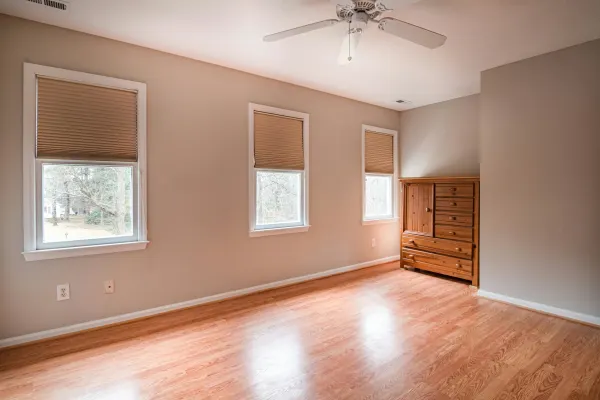
Choosing the right flooring is an important part of making a house comfortable, attractive, and practical. Floors affect the appearance of every room, but they also influence cleaning, maintenance, durability, and long-term costs. With so many materials available, including hardwood, laminate, vinyl, tile, and carpet, finding the best option can feel confusing.
The good news is that you do not need to use the same flooring throughout your entire home. Different rooms have different needs. A kitchen floor must handle spills and frequent cleaning, while a bedroom floor should feel comfortable and inviting. Bathrooms need materials that can handle moisture, and living rooms often benefit from flooring that balances style with durability.
Before making a decision, consider your budget, lifestyle, household size, and the amount of maintenance you are willing to manage. This guide explains how to choose the best flooring for every room in your home and what to consider before starting your project.
Understand Your Home’s Flooring Needs
The best flooring depends on how each room is used. A busy family home may need durable, scratch-resistant surfaces, while a smaller household might place greater importance on appearance and comfort.
Start by thinking about the main purpose of each room. Areas with heavy foot traffic need flooring that can handle daily use. Rooms exposed to water require moisture-resistant materials. Spaces where people relax may benefit from softer surfaces or flooring that feels warmer underfoot.
Your local climate also matters. In humid areas, moisture resistance becomes especially important. In colder regions, carpet, area rugs, and certain flooring systems can help make rooms feel more comfortable.
It is also helpful to think about the people and pets living in your home. Children, dogs, and cats can increase the amount of wear that floors experience. In these situations, scratch resistance, easy cleaning, and stain protection may be more important than choosing the most expensive material.
Best Flooring Options for Living Rooms
The living room is often one of the most frequently used areas of a house. Family members gather there to relax, watch television, entertain guests, and spend time together. Flooring in this space should look attractive while being strong enough to handle everyday activity.
Hardwood Flooring
Hardwood is a popular choice for living rooms because of its natural appearance and timeless style. It works well with traditional, modern, and many other interior designs. Depending on the type of wood and finish, it can create a warm and welcoming atmosphere.
One major advantage of hardwood is that many solid wood floors can be sanded and refinished when their surfaces become worn. This can extend their useful life. However, hardwood can be expensive, and it may scratch or suffer damage from standing water.
Engineered wood is another option. It has a real wood surface supported by layers of other materials, making it suitable for some environments where solid hardwood may be less practical. Its performance depends on the product, installation, and moisture conditions.
Laminate Flooring
Laminate flooring can provide the appearance of wood at a lower cost. It usually consists of a decorative surface layer, a protective wear layer, and a supporting core.
It is available in many colors and patterns, making it easier to match your living room furniture and wall colors. Quality laminate can also resist everyday scratches and wear.
However, standard laminate is not automatically waterproof. Water that reaches its seams or core may cause damage, so spills should be cleaned promptly. Choose a product with moisture-resistant features if your household needs additional protection.
Luxury Vinyl Plank
Luxury vinyl plank, commonly called LVP, is another practical option for living rooms. It is available in designs that resemble hardwood and other natural materials. Many products are water-resistant or waterproof, although the exact protection depends on the flooring system.
Vinyl can be comfortable underfoot and relatively easy to maintain. It may be a good choice for homes with children or pets because cleaning is usually straightforward.
When comparing products, check the wear layer, warranty, installation requirements, and recommendations for furniture protection.
Choose Durable Flooring for the Kitchen
Kitchen floors face a different set of challenges. Food, cooking oil, water, and dropped utensils can all affect the surface. Because the kitchen is used frequently, the floor should be easy to clean and able to handle regular foot traffic.
Porcelain and Ceramic Tile
Tile is one of the most suitable flooring options for many kitchens. Porcelain tile is generally dense and has low water absorption, while ceramic tile offers a wide range of styles and price points.
Both options are available in different colors, sizes, and patterns. Tile can also handle many common kitchen spills when installed and maintained correctly.
However, tile can feel hard and cold underfoot. Standing for long periods while cooking may become uncomfortable, so an anti-fatigue mat can help near the sink or food preparation area.
Pay attention to slip resistance, especially in areas where water or grease may reach the floor. Grout also needs proper care because it can collect dirt and may require sealing, depending on the product.
Vinyl Flooring
Vinyl flooring is worth considering if you want a kitchen floor that is easy to clean and comfortable to stand on. Many modern vinyl products offer realistic wood or stone designs without the cost of some natural materials.
Waterproof vinyl can be useful in kitchens where spills are common. Still, water may cause problems if it gets underneath the flooring or reaches vulnerable edges, so proper installation remains important.
What About Hardwood?
Hardwood can create a beautiful kitchen, particularly in open-plan homes where the kitchen connects to the living or dining room. However, water leaks, repeated spills, and high humidity can damage wood over time.
If you choose hardwood, clean spills quickly and follow the manufacturer’s maintenance instructions. Engineered wood may offer another option, but it should still be selected carefully for the kitchen’s moisture conditions.
Find Comfortable Flooring for Bedrooms
Bedrooms are personal spaces where comfort and relaxation usually matter more than heavy-duty performance. The best flooring should complement the room’s design and make it pleasant to use every day.
Carpet for Softness and Warmth
Carpet is a traditional bedroom choice because it feels soft underfoot and can help reduce sound. It is particularly appealing in colder climates, where stepping onto a soft surface in the morning can make the room feel more comfortable.
Carpet comes in different fibers, colors, and thicknesses. Nylon is often selected for durability, while polyester can offer good color options and stain resistance. Performance varies by product, so check the manufacturer’s specifications.
The main disadvantage is maintenance. Carpet can collect dust, pet hair, and allergens, and stains may be difficult to remove. Regular vacuuming and occasional deep cleaning are important.
Hardwood and Laminate
Hardwood creates a clean, natural look and can make a bedroom feel open and elegant. Laminate provides a similar appearance at a lower initial cost in many cases.
Both options can work well with area rugs. A rug beside the bed can add warmth and comfort without covering the entire floor.
Vinyl for Easy Maintenance
Vinyl plank is another option for bedrooms, especially in homes where easy cleaning is a priority. It comes in designs that resemble wood and can work with many decorating styles.
If sound is a concern, look into the product’s acoustic properties and compatible underlayment. Not every vinyl floor provides the same level of sound reduction.
Select Moisture-Resistant Flooring for Bathrooms
Bathrooms require careful flooring choices because water, steam, and humidity are common. The wrong material can swell, stain, loosen, or develop other problems if moisture reaches areas that are not designed to handle it.
Porcelain Tile
Porcelain tile is a strong option for bathroom floors because it absorbs very little water. It is available in many finishes, from simple neutral colors to designs that resemble marble or natural stone.
For bathroom safety, select a surface suitable for wet areas. Very smooth tiles may become slippery when wet, so consider the tile’s slip-resistance rating and the room’s specific conditions.
Proper installation and waterproofing beneath the finished floor are just as important as the tile itself. A water-resistant surface cannot compensate for a poorly protected bathroom structure.
Ceramic Tile
Ceramic tile is another practical choice. It can cost less than some porcelain options and offers a wide variety of decorative styles.
As with porcelain, the tile, grout, substrate, and waterproofing system should be suitable for bathroom use. Correct installation helps reduce the risk of moisture-related damage.
Waterproof Vinyl
Waterproof vinyl flooring can provide a comfortable alternative to tile. Many products are easier to install and feel warmer underfoot than ceramic or porcelain.
However, waterproof describes the product’s specified performance, not necessarily the entire bathroom floor system. Water can still enter through poorly sealed edges or reach the subfloor if installation is incorrect.
Avoid using standard carpet in bathrooms because it can retain moisture and become difficult to keep clean.
Consider Practical Flooring for Laundry Rooms and Mudrooms
Laundry rooms and mudrooms often experience water, dirt, cleaning products, and heavy use. Flooring should be easy to clean and suitable for the room’s moisture exposure.
Porcelain tile is a durable option for these spaces. Waterproof vinyl is also worth considering because it can provide a softer surface and simple maintenance.
If you have a washing machine, consider the possibility of leaks. Check appliance hoses and connections regularly, and use appropriate leak-detection or shutoff devices when practical. Even durable flooring cannot prevent all damage from a major water leak.
In mudrooms, textured surfaces may help reduce slipping when shoes bring in rain or snow. Choose a material that can be cleaned easily, and place suitable mats near entrances to collect dirt and moisture.
Choose Flooring for Home Offices
A home office needs flooring that supports concentration, comfort, and everyday work. The best choice often depends on whether you use a desk chair, how much foot traffic the room receives, and whether sound control matters.
Luxury vinyl plank, laminate, and hardwood can all work well in home offices. These materials create a clean appearance and are relatively simple to maintain.
If you use a rolling desk chair, check whether the flooring manufacturer recommends a protective mat. Hard chair wheels can scratch or wear some surfaces over time. Choose a mat designed for your specific flooring type.
Carpet can help reduce noise and make the office feel comfortable. However, rolling chairs may move less easily on thick carpet. A low-pile carpet or suitable chair mat may be a better fit.
If your office is located above another room, sound-reducing underlayment or carpeting may help reduce noise, depending on the building structure and flooring system.
Think Carefully About Flooring for Basements
Basements can present special flooring challenges because moisture may enter through foundation walls, concrete slabs, plumbing leaks, or humid air. Before installing a new floor, make sure the basement is dry and address any moisture problems.
Luxury vinyl flooring designed for basement use is a common option because it can tolerate moisture better than many wood-based materials. Tile can also work well when the concrete surface and installation system are suitable.
Carpet may be possible in a dry basement, but moisture problems can lead to odors, mold, and damage. If you prefer a softer surface, consider products designed for below-grade spaces and follow the manufacturer’s installation instructions.
Avoid installing solid hardwood directly over a basement concrete slab unless a suitable, professionally designed system specifically allows it. Moisture from the slab can damage wood flooring.
Before making a purchase, check the product’s requirements for below-grade installation, moisture testing, and underlayment.
Compare Flooring Materials Before Buying
Understanding the basic differences between flooring types can make your decision easier.
| Flooring type | Main advantages | Possible drawbacks | Suitable rooms |
| Hardwood | Natural appearance, can often be refinished | Cost, scratches, moisture sensitivity | Living rooms, bedrooms, dining rooms |
| Engineered wood | Real wood surface, layered construction | Moisture limits, product-dependent durability | Living rooms, bedrooms, some kitchens |
| Laminate | Wood-like appearance, often affordable | Standard products may be damaged by water | Living rooms, bedrooms, home offices |
| Luxury vinyl | Easy cleaning, many moisture-resistant options | Quality varies; damaged sections may be difficult to repair | Kitchens, bedrooms, laundry rooms, basements |
| Porcelain tile | Durable, low water absorption | Hard and cold underfoot; installation can cost more | Kitchens, bathrooms, laundry rooms |
| Ceramic tile | Many styles and price points, easy cleaning | Grout maintenance, hard surface | Kitchens, bathrooms, utility rooms |
| Carpet | Soft, warm, sound-absorbing | Requires regular cleaning; can retain moisture | Bedrooms, selected living areas |
Prices vary by region, product quality, preparation work, and installation method. Compare the total project cost rather than looking only at the price per square foot.
Set a Realistic Flooring Budget
Flooring costs include more than the material itself. Before ordering products, calculate the approximate area of each room and obtain estimates for installation, preparation, and finishing.
Your budget may need to include:
- Removing and disposing of old flooring
- Repairing or leveling the subfloor
- Moisture testing or other necessary preparation
- Underlayment, adhesives, grout, or transition strips
- Baseboards and trim
- Moving furniture and appliances
- Professional installation
- Extra material for cuts, waste, and future repairs
It is generally sensible to purchase a little more flooring than the measured area requires. The amount depends on the material, room shape, installation pattern, and manufacturer’s recommendations.
Do not choose a low-priced floor without checking its expected performance. A product that wears out quickly or is unsuitable for the room may cost more in the long run.
At the same time, expensive flooring is not automatically the best choice. A reasonably priced vinyl floor may be more practical than hardwood in a busy laundry room, while a well-maintained hardwood floor may be a worthwhile investment in a living room.
Consider Maintenance Before Making Your Final Decision
Every flooring material requires some level of care. Think about how much time you want to spend cleaning and maintaining the surfaces throughout your home.
Hardwood usually benefits from regular sweeping or vacuuming with a suitable attachment. Use cleaning products recommended by the flooring manufacturer, and avoid excessive water.
Laminate is often easy to clean, but standing water should be avoided unless the specific product allows it. Follow the manufacturer’s guidance on damp mopping and approved cleaners.
Tile floors can be cleaned with suitable products, although grout may need additional attention. Vinyl generally requires routine sweeping and cleaning with a product approved for the surface.
Carpet needs frequent vacuuming and prompt treatment of spills. Periodic professional or deep cleaning may also be recommended.
For all floor types, use protective pads beneath furniture legs, place suitable mats at entrances, and clean spills quickly. These small habits can help preserve the appearance of your flooring for years.
Match Flooring With Your Home’s Interior Style
Practical features are important, but appearance also plays a major role in choosing flooring. The floor covers a large area, so its color and pattern can influence how the entire room feels.
Light-colored flooring can help a small room appear brighter and more open, particularly when paired with suitable lighting and wall colors. Dark flooring can create a rich, dramatic look, but dust and some scratches may be more noticeable depending on the finish.
Wood-look flooring works with many decorating styles, while tile can create a clean, modern appearance. Carpet can soften a room and introduce color or texture.
Try to maintain a sense of connection between adjoining rooms. You do not have to install identical flooring everywhere, but selecting complementary colors and materials can make the home feel more coordinated.
If several rooms are visible from one another, take samples home and view them under your actual lighting. Flooring may look different in a showroom than it does in natural daylight or under warm indoor lights.
Common Flooring Mistakes to Avoid
One common mistake is choosing flooring based only on appearance. A beautiful material may not perform well in a room exposed to water, dirt, or heavy traffic.
Another mistake is ignoring the subfloor. Uneven surfaces, moisture, and structural problems can affect the final result. Preparing the floor correctly before installation can help prevent future issues.
Homeowners should also avoid assuming that every product described as waterproof can be installed anywhere. Some materials have restrictions for bathrooms, basements, or other environments. Always read the installation instructions.
Finally, do not overlook professional installation when the project requires specialized skills. Tile installation, complex layouts, subfloor repairs, and moisture protection can be difficult to handle without experience. A qualified installer can help identify problems before they become expensive repairs.
Make the Right Flooring Choice for Your Home
The best flooring for every room depends on the way you live, the conditions in each space, and the budget you can comfortably manage. Hardwood can add natural beauty to living areas and bedrooms, while laminate offers a more affordable wood-like appearance. Vinyl is useful in many busy areas, and porcelain or ceramic tile is well suited to rooms where water is common. Carpet remains a comfortable choice for bedrooms and other spaces where softness matters.
Before buying, compare durability, moisture resistance, maintenance requirements, installation costs, and appearance. Check product specifications carefully and make sure the flooring is approved for the room where you plan to install it.
Most importantly, focus on what each room needs rather than choosing one material for the entire house simply because it looks attractive. With careful planning, you can create a home with flooring that looks good, feels comfortable, and performs well for everyday life.