
Improving your home does not always require a large budget or expensive renovation work. Small changes can make your living space look better, feel more comfortable, and work more efficiently. Whether you own a house or rent an apartment, there are many affordable ways to refresh your surroundings without spending thousands of dollars.
Many homeowners believe that improving a property means replacing kitchen cabinets, installing new flooring, or remodeling entire rooms. However, simple projects such as painting walls, organizing storage areas, improving lighting, and repairing small problems can make a noticeable difference.
The best approach is to focus on changes that offer the greatest value for your money. With a little planning, some basic tools, and a reasonable budget, you can create a more attractive and functional home without taking on major renovation expenses.
1. Start With a Plan and Set a Realistic Budget
Before purchasing materials or starting any project, take some time to understand what your home needs most. Walking through each room can help you identify areas that need attention.
Make a list of improvements you want to complete. For example, your living room might need better lighting, your kitchen may need more storage, and your bathroom might require new fixtures or fresh paint.
Once you have your list, separate the projects into three groups: necessary repairs, useful improvements, and decorative changes. Necessary repairs should usually come first because ignoring small problems can lead to more expensive damage later.
Set a spending limit for each project. If your budget is $300, for example, decide how much you can spend on paint, lighting, storage, and other materials. Leave a small amount for unexpected costs.
Planning helps you avoid unnecessary purchases and keeps your home improvement work manageable.
2. Give Your Walls a Fresh Look With Paint
Painting is one of the most affordable ways to change the appearance of a room. Old, stained, or faded walls can make a home feel tired, even when the furniture and other features are in good condition.
A fresh coat of paint can make rooms look cleaner and brighter. Light colors such as white, cream, pale gray, and soft beige can help smaller spaces feel more open. You can also use a deeper color on one wall to create a focal point without painting the entire room.
Before buying paint, measure the walls and calculate how much material you need. Compare prices from different stores and look for products that offer good coverage and durability.
If you plan to paint the room yourself, clean the walls, cover furniture, protect the floor, and use painter’s tape around edges. Preparing the surface properly helps create a better finish.
Always choose paint suitable for the surface and room. Kitchens and bathrooms may need finishes that are easier to clean and can handle moisture. Repair any underlying leaks or moisture problems before painting.
3. Improve Lighting Throughout Your Home
Lighting affects how a room looks and how comfortable it feels. A poorly lit room may appear smaller, while the right lighting can make it feel warm and welcoming.
Start by opening curtains and blinds during the day to allow natural light to enter. Clean windows regularly because dust and dirt can reduce the amount of daylight coming inside.
Next, check the light bulbs in your home. Replacing old bulbs with energy-efficient LED bulbs can improve lighting while reducing electricity use. Choose a color temperature that suits each room. Warm lighting often works well in bedrooms and living rooms, while neutral or cooler lighting may be useful in kitchens and work areas.
You can also add inexpensive table lamps, floor lamps, or under-cabinet lights where needed.
Avoid buying decorative lighting before checking whether your existing fixtures work properly. Simple changes to bulb placement and brightness may be enough to improve a room.
For electrical work involving new wiring, damaged circuits, or major fixture changes, contact a qualified electrician rather than attempting unsafe repairs yourself.
4. Refresh Your Kitchen Without Remodeling It
Kitchen renovations can be expensive, but you do not need to replace everything to make the space look better. Several small changes can improve both its appearance and usefulness.
Begin by clearing countertops and removing items you rarely use. Keep frequently used cooking tools in convenient places and store other items in drawers or cabinets.
Clean cabinet doors, handles, backsplashes, and appliances. Grease and dirt can make an otherwise attractive kitchen look old. Sometimes, a deep cleaning makes a bigger difference than buying new products.
If cabinet handles look outdated, consider replacing them with affordable new hardware. Make sure the new handles fit the existing holes when possible to avoid additional drilling and repair work.
You might also consider painting suitable cabinet surfaces, adding drawer organizers, or installing inexpensive shelf dividers. Always check whether the cabinets are suitable for painting and follow the correct preparation process.
Small improvements can make the kitchen feel more organized and modern without the cost of new cabinets, countertops, or appliances.
5. Make Your Bathroom Cleaner and More Attractive
Bathrooms often need less work than homeowners expect. A thorough cleaning and a few affordable updates can improve their appearance considerably.
Start by cleaning tiles, mirrors, faucets, shower doors, and other surfaces. Remove soap buildup and address mold or mildew using products suitable for the affected materials.
Replace worn shower curtains, bath mats, and towel sets if your budget allows. Coordinating these items can make the room look more organized.
You can also replace old cabinet handles or install a new mirror if the existing one is damaged or outdated. Small storage baskets can help keep toiletries, cleaning products, and personal items organized.
Check for dripping faucets, loose handles, and leaking pipes. Fixing minor problems early may prevent water waste and damage to cabinets, walls, or floors.
If you notice persistent dampness, soft flooring, extensive mold, or water damage, investigate the underlying cause instead of covering it with paint or decorative materials. Professional help may be necessary to resolve serious plumbing or moisture problems.
6. Rearrange Furniture Instead of Buying New Items
Furniture can affect how spacious and comfortable your home feels. You may not need new furniture to improve a room; changing the arrangement can be enough.
Start by identifying the main purpose of the room. In a living room, for example, arrange seating so people can talk comfortably and move around without obstacles.
Avoid placing too many large pieces close together. Leave clear walking paths and keep frequently used areas easy to access.
Try moving a sofa away from a wall or placing a chair near a window to create a comfortable reading corner. In smaller bedrooms, removing unnecessary furniture can make the room feel more open.
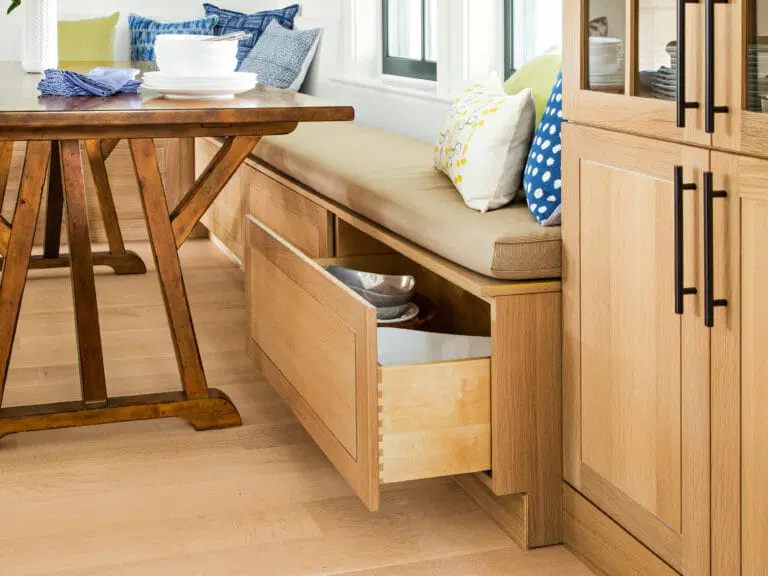
Before buying additional shelves or tables, check whether existing furniture can serve another purpose. A small table might work as a bedside table, while a storage bench can provide both seating and space for household items.
Rearranging furniture costs nothing and allows you to experiment until you find an arrangement that suits your daily routine.
7. Organize Storage to Reduce Clutter
Clutter can make even a large home feel crowded. Better storage is one of the simplest ways to improve your living space without major construction.
Start with one room rather than trying to organize the entire house in a single day. Remove items you no longer need and decide where the remaining belongings should be stored.
Use baskets, labeled boxes, drawer dividers, and affordable storage containers to keep similar items together. Store seasonal clothing and decorations in clearly marked containers so they are easier to find when needed.
Make use of vertical space where practical. Wall shelves can hold books, decorations, and everyday items without taking up much floor space. However, shelves must be securely attached using suitable fixings for the wall type and expected load.
You can also organize under-bed storage, closet shelves, and the space above cabinets.
The goal is not simply to hide everything. It is to create a system that makes everyday items easy to find and put away.
8. Improve Your Home’s Curb Appeal
Your home’s exterior creates the first impression for visitors and potential buyers. Fortunately, improving curb appeal does not always require expensive landscaping or a complete exterior makeover.
Begin with basic cleaning. Sweep the entrance, remove fallen leaves, clean the front door, and clear unnecessary items from the porch or walkway.
If the front door looks worn, cleaning it or applying a suitable fresh coat of paint may improve its appearance. Check that the finish is appropriate for outdoor use and the door’s existing material.
Keep the lawn trimmed if you have one, remove weeds, and prune plants when appropriate. Affordable potted plants can add color near an entrance, while fresh mulch can make garden beds look more orderly.
Also inspect outdoor lights, house numbers, and the mailbox. Replacing damaged or outdated items can make the property look better without a large investment.
Do not ignore exterior maintenance while focusing on appearance. Check for damaged gutters, loose steps, peeling paint, and visible signs of water damage. Address safety concerns and important repairs first.
9. Make Your Home More Energy Efficient
Energy-saving improvements can make your home more comfortable and may reduce monthly utility bills. Many useful changes are inexpensive and do not require major renovation work.
Check doors and windows for drafts. Weatherstripping and suitable door sweeps can help reduce unwanted air movement. Before sealing anything, make sure you do not block required ventilation or combustion-air openings.
Replace inefficient light bulbs with LED alternatives and switch off lights in empty rooms. Unplug chargers and devices when appropriate, or use power strips to make managing standby power easier.
Regularly clean or replace HVAC filters according to the equipment manufacturer’s instructions. Dirty filters can restrict airflow and may affect system performance.
Use curtains or blinds to help manage sunlight and indoor temperatures. During hot weather, blocking strong sunlight can help reduce heat entering the home. During cold weather, opening curtains on sunny windows may help bring in warmth.
You can also compare the energy use of older appliances before deciding whether replacement is worthwhile. Consider the purchase price, expected energy savings, and the appliance’s remaining useful life rather than replacing equipment unnecessarily.
10. Repair Small Problems Before They Become Expensive
Small household problems can become costly when ignored. A loose cabinet handle may be easy to fix, but a hidden water leak can damage walls, flooring, and nearby structures.
Walk through your home every few weeks and look for signs of wear. Check dripping faucets, loose door handles, cracked caulk, damaged window screens, and sticking doors.
Replace worn caulk around suitable bathroom or kitchen joints when necessary, following the manufacturer’s instructions. Remember that caulk is not a substitute for repairing leaking pipes or damaged waterproofing.
Clean gutters when it is safe to do so, and inspect them for visible damage. Blocked gutters can direct water toward foundations or exterior walls.
Pay attention to unusual smells, damp patches, water stains, or sudden changes in utility bills. These signs may indicate a problem that needs further investigation.
For electrical faults, structural damage, gas problems, or repairs involving significant heights, use qualified professionals. Saving money should never come at the cost of personal safety.
11. Shop Carefully and Reuse What You Already Own
One of the easiest ways to control home improvement costs is to avoid buying items you do not need.
Before shopping, check your garage, storage room, and closets. You may already have paintbrushes, basic tools, leftover materials, or decorations that can be reused.
Compare prices at different retailers and look for seasonal sales. However, do not choose a product based on price alone. Poor-quality materials may need to be replaced sooner, increasing the overall cost.
Consider secondhand furniture and home accessories when they are in good condition. A used table, bookshelf, or mirror may offer excellent value. Inspect secondhand items for damage, pests, and safety concerns before bringing them inside.
You can also give old furniture a new purpose. Sanding and repainting a suitable wooden table, for example, may be more affordable than purchasing a replacement.
When comparing projects, consider both material costs and the time required. A simple project that you can complete safely yourself may offer good value, while complicated work may be cheaper and safer when handled by a professional.
12. Focus on Improvements That Offer Long-Term Value
Not every home improvement needs to make your house look more modern. Some of the most useful projects improve safety, comfort, durability, and everyday convenience.
For example, repairing a leaking roof, improving poor ventilation, fixing damaged steps, and addressing plumbing problems may be more important than purchasing new decorations.
If you plan to sell your home in the future, focus on clean, well-maintained spaces and improvements that appeal to a wide range of buyers. Fresh paint, functional fixtures, tidy outdoor areas, and properly maintained systems can help create a positive impression.
However, avoid assuming that every project will increase your home’s resale price by more than it costs. The value of improvements depends on your location, property condition, local market, and the quality of the work.
Choose projects that make sense for your current needs and long-term plans.
Final Thoughts
Improving your home without spending too much money is possible when you focus on practical changes and plan your spending carefully. You do not need to remodel every room or purchase expensive furniture to create a comfortable and attractive living space.
Start with a realistic budget, repair important problems, improve lighting, organize storage, and refresh areas that need attention. Simple updates to your kitchen, bathroom, living room, and outdoor spaces can make a noticeable difference over time.
Most importantly, take one project at a time. Compare prices, reuse materials when possible, and know when professional assistance is necessary. By making thoughtful decisions, you can improve your home gradually while keeping renovation costs under control.