
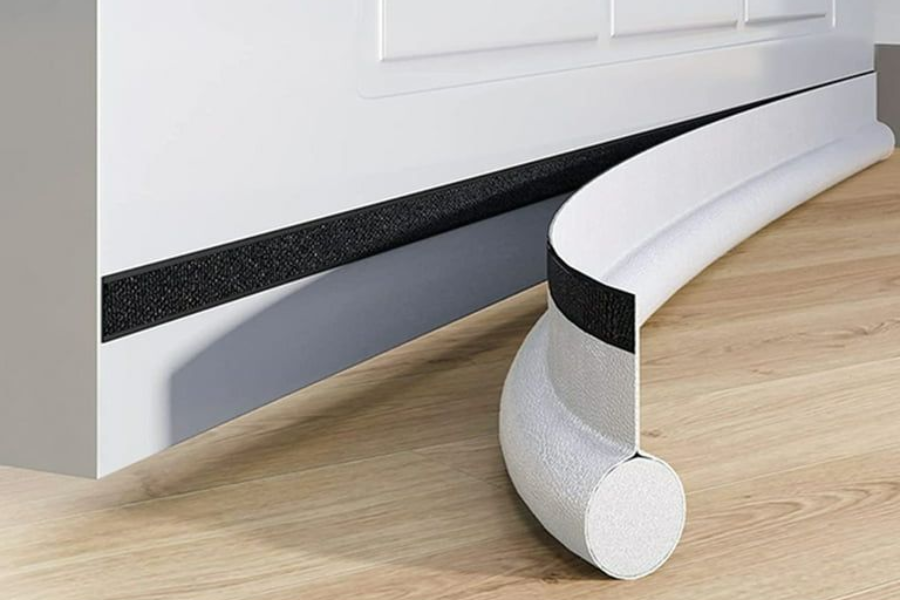
Keeping your home comfortable throughout the year does not always require expensive renovations or major upgrades. Sometimes, small improvements around doors and windows can make a noticeable difference. Gaps beneath exterior doors, in particular, can allow cold air to enter during winter and cooled air to escape during summer. These drafts may make rooms less comfortable and force heating and cooling systems to work harder.
The Vellure Door Draft Stopper is designed to help reduce unwanted airflow beneath doors. It offers a simple way to address one of the common causes of indoor drafts without replacing the entire door or making complicated changes to the home.
For homeowners and renters looking for practical ways to improve indoor comfort, a door draft stopper can be a useful addition. However, its effectiveness depends on the size of the gap, the condition of the door, and how well the product fits.
In this article, we will explore the Vellure Door Draft Stopper’s main features, potential benefits, installation process, maintenance requirements, and important factors to consider before buying it.
What Is the Vellure Door Draft Stopper?
The Vellure Door Draft Stopper is a door-bottom sealing accessory intended to help block drafts that pass through the space between a door and the floor. Products in this category are commonly designed with a flexible sealing section that sits along the bottom edge of a door.
Depending on the exact model, a door draft stopper may use foam tubes, a flexible sweep, or another type of barrier to reduce the movement of air through the gap. The Vellure product is marketed as a door-bottom weather-stripping solution for improving comfort and limiting unwanted airflow.
The main purpose is straightforward: create a better barrier between indoor and outdoor air without requiring a full door replacement.
This type of product may be particularly useful around exterior doors, basement entrances, garage access doors, and other locations where drafts are noticeable. It can also help reduce the amount of dust and small debris entering through a door gap, although it should not be considered a complete seal against every outdoor contaminant.
Before purchasing, check the exact product dimensions, fitting method, material, and compatibility with your door. These details determine whether the stopper will suit your home.
Main Features of the Vellure Door Draft Stopper
A door-bottom seal may look like a small accessory, but its design can affect how easily it fits and how well it performs.
Helps Block Unwanted Airflow
The primary purpose of the Vellure Door Draft Stopper is to reduce the amount of air moving through the gap beneath a door.
When an exterior door has a noticeable opening at the bottom, outdoor air can enter and affect the temperature near the floor. During cold weather, this may make a room feel chilly even when the heating system is operating.
In warmer months, gaps can also allow conditioned indoor air to escape. A suitable draft stopper can help reduce this airflow by covering the opening.
The amount of improvement depends on the gap size and the surrounding door seals. A stopper may work well for a small, consistent gap but provide limited results if the floor is uneven or the opening is unusually large.
Designed for Door-Bottom Installation
Door-bottom draft stoppers are generally intended to sit along the lower edge of a door rather than requiring a complete replacement of the existing door frame.
Depending on the Vellure model, installation may involve fitting the product to the door, adjusting its position, or attaching it according to the supplied instructions.
This approach can be convenient for people who want to improve an existing door without taking on a larger renovation project.
Before installation, measure the door and compare its dimensions with the product specifications. A stopper that is too short may leave openings at the sides, while one that is too large may interfere with normal door movement.
Helps Improve Indoor Comfort
Drafts can make a room feel uncomfortable even when the thermostat shows a reasonable temperature. Cold air entering near the floor may create noticeable temperature differences around seating areas, bedrooms, and home offices.
By reducing airflow beneath a suitable door, a draft stopper may help make the room feel more consistent.
This can be especially helpful during winter when cold air moves around exterior entrances. The product may also help during summer if a door separates an air-conditioned room from a warmer area.
It will not solve every indoor temperature problem, but it can address one common source of discomfort.
May Help Reduce Dust and Small Debris
Gaps beneath exterior doors can allow dust, dry leaves, and small particles to enter the home. A properly fitted stopper may reduce the amount of material passing through the opening.
This can be useful for doors that lead to patios, gardens, garages, or other outdoor areas.
However, the product is not a replacement for a properly sealed door, and it should not be relied on to prevent insects, water, smoke, or other hazards from entering. If those concerns are present, a more suitable sealing or repair solution may be necessary.
A Practical Alternative to Larger Upgrades
Replacing a door or repairing an entire frame can involve considerable time and expense. When the main problem is a small gap beneath an otherwise functional door, a draft stopper may be a simpler first step.
It can be particularly appealing to renters or homeowners who want to improve comfort without making extensive changes to the property.
Still, if the door is warped, damaged, poorly aligned, or missing essential weather seals, a draft stopper may only provide a temporary improvement. Correcting the underlying problem may deliver better long-term results.
Benefits of Using the Vellure Door Draft Stopper
The value of a door draft stopper comes from addressing a small but common source of unwanted airflow. Its practical benefits depend on where it is installed and how well it fits.
Supports Better Energy Efficiency
Heating and cooling systems use energy to maintain indoor temperatures. When outdoor air enters through gaps or conditioned air escapes, the system may need to run longer to maintain the desired conditions.
A suitable door-bottom seal can help reduce some of this air movement. When drafts are a meaningful source of heat loss or heat gain, sealing them may support more efficient temperature control.
However, the amount of energy saved varies from one home to another. It depends on the size of the gap, local weather, insulation quality, door construction, and HVAC usage.
The Vellure Door Draft Stopper should therefore be viewed as one small part of an overall energy-efficiency plan rather than a product that guarantees a specific reduction in utility bills.
Helps Keep Rooms More Comfortable
One of the most noticeable effects of a draft is the feeling of cold air moving across the floor. This can be uncomfortable in bedrooms, living rooms, and home offices, especially when people sit close to the door.
Reducing the gap beneath a door may limit that airflow and make the immediate area feel more comfortable.
The improvement is likely to be most noticeable when the door has a clear, consistent gap and the rest of the room is already reasonably insulated.
May Reduce the Workload on Heating and Cooling Equipment
When air leaks are reduced, heating and cooling systems may have an easier time maintaining the indoor temperature.
This does not mean a draft stopper will significantly change the performance of every HVAC system. The impact may be small if the door gap is minor or if most energy loss occurs through poorly insulated walls, windows, ceilings, or other openings.
Even so, addressing obvious drafts is a sensible step when improving the overall efficiency of a home.
Helps Create a More Finished Doorway
A visible gap beneath a door can make the entrance feel unfinished, particularly when light passes through from the other side.
A properly fitted draft stopper can cover that opening and give the lower edge of the doorway a neater appearance.
The visual result depends on the product’s size, color, design, and compatibility with the door. Checking the measurements before installation helps prevent an awkward fit.
Suitable for Different Areas of the Home
Depending on the product specifications, a door draft stopper may be useful in several locations, including exterior entrances, bedroom doors, basement doors, and doors between conditioned and unconditioned areas.
It is important to distinguish between interior and exterior applications. An interior door may only need to reduce airflow between rooms, while an exterior door may require more durable weather sealing.
For doors exposed to rain, strong winds, or significant temperature changes, make sure the product is specifically suitable for those conditions.
How to Install the Vellure Door Draft Stopper
The installation process depends on the exact version of the product. Always follow the supplied instructions instead of assuming that every door-bottom stopper uses the same fitting method.
Measure the Door Gap
Start by examining the gap between the bottom of the door and the floor. Measure its height at several points because the gap may not be uniform from one side to the other.
Also measure the width of the door and check whether the floor is level.
These measurements help determine whether the product can cover the opening without scraping against the floor or leaving uncovered areas.
If the door is visibly crooked or the gap changes significantly across its width, the door may need adjustment before a stopper is installed.
Clean the Installation Area
Remove dust, dirt, and debris from the bottom edge of the door and the surrounding floor.
If the product uses adhesive, the attachment surface must be prepared according to the manufacturer’s directions. Allow the area to dry completely before attaching the product.
Dirt or moisture can interfere with adhesive performance and cause the stopper to loosen prematurely.
Position the Stopper Correctly
Hold the product in the intended position before securing it. Check that it covers the gap evenly and does not interfere with the door’s hinges, threshold, or other hardware.
If the stopper needs trimming or adjustment, only do so if the instructions permit it. Cutting the wrong section may damage the product or affect its performance.
For models that attach directly to the door, confirm that the fitting method is compatible with the door material and thickness.
Secure the Product
Attach the stopper using the supplied mounting method. If the product uses screws, follow the instructions for safe and suitable placement. If it uses adhesive or another attachment system, make sure the surfaces are prepared as directed.
Avoid forcing the product into place or using unapproved fasteners that may damage the door.
After installation, inspect the full length of the seal to confirm that it sits evenly along the bottom edge.
Test the Door Movement
Open and close the door several times. It should move normally without excessive friction, dragging, or difficulty latching.
If the stopper catches on the floor or threshold, adjust it according to the product instructions. A seal that is pressed too tightly against the floor may wear more quickly or interfere with the door.
Check for remaining gaps at both ends. If air can still pass through large openings, the product may be too short or the door may need additional weather sealing.
What to Consider Before Buying
Choosing the right draft stopper requires more than looking at its appearance. A few practical checks can help you avoid buying a product that does not fit your doorway.
Door width: Confirm that the product is long enough to cover the entire bottom edge. A partial seal may leave noticeable gaps at the sides.
Gap height: Measure the opening between the door and the floor. A product designed for a small gap may not work correctly with a much larger opening.
Floor surface: Consider whether the floor is level, tiled, carpeted, or uneven. Some designs work better on hard, smooth floors than on thick carpet.
Installation method: Check whether the stopper uses adhesive, screws, or another mounting system. Choose an option that suits your door and your willingness to make permanent changes.
Material and durability: If the door receives heavy daily use, the stopper should be suitable for repeated opening and closing. Exterior doors may require materials designed to withstand weather exposure.
Door clearance: Make sure the product will not block the door from closing properly or prevent the latch from engaging.
Exact product specifications: Verify the Vellure model’s dimensions, materials, included accessories, and installation requirements before purchasing. Do not assume that every product listing describes the same version.
How to Maintain the Door Draft Stopper
A draft stopper needs occasional inspection to keep working properly. Dust, dirt, friction, and repeated door movement can affect its condition over time.
Clean the product according to the manufacturer’s instructions. Remove accumulated dust and check whether the sealing section has become worn, cracked, loose, or deformed.
If the stopper uses adhesive, inspect the attachment points to make sure the product remains secure. For mechanically attached models, check that the fasteners remain tight without overtightening them.
Test the door periodically to ensure that the stopper does not drag excessively on the floor. If the floor covering changes or a new threshold is installed, the product may need adjustment.
Replace the stopper if it no longer covers the gap properly or has become too damaged to provide an effective seal.
Other Ways to Improve Home Energy Efficiency
A door draft stopper can help, but the best results often come from addressing several sources of air leakage throughout the home.
Check Weatherstripping Around Doors
Inspect the sides and top of exterior doors for worn, cracked, or missing weatherstripping. Damaged seals can allow air to enter even when the bottom gap is covered.
Replacing unsuitable or deteriorated weatherstripping may improve the overall seal around the doorway.
Seal Suitable Gaps Around Windows
Air can also leak around window frames and movable sections. Check for damaged seals, loose weatherstripping, and noticeable drafts.
Use materials designed for the specific location and surface. Some gaps require caulk, while movable window sections generally need suitable weatherstripping.
Improve Insulation Where Necessary
If rooms remain uncomfortable despite sealing obvious drafts, the problem may involve insufficient insulation, poorly insulated windows, or HVAC performance.
An energy assessment can help identify which improvements are likely to make the greatest difference.
Maintain Heating and Cooling Equipment
Replace or clean HVAC filters as recommended by the manufacturer, keep supply vents unobstructed, and arrange servicing when the system does not perform as expected.
These steps can help support reliable operation, although they will not correct every source of energy loss.
Is the Vellure Door Draft Stopper Worth Considering?
The Vellure Door Draft Stopper may be a practical option for people who notice unwanted airflow beneath a door and want to address it without replacing the entire door.
Its main purpose is to cover the lower gap, helping improve comfort and potentially reduce some energy loss caused by drafts. It may also help limit the entry of dust and small debris through a suitable doorway.
However, its usefulness depends on the exact model, the size of the gap, the floor surface, and the installation method. It will not correct a warped door, damaged frame, or missing seals around the sides and top.
Before buying, measure the doorway carefully and compare your measurements with the product specifications. A properly sized stopper is more likely to provide a useful result than one chosen without checking the fit.
Final Verdict
The Vellure Door Draft Stopper is worth considering as a small home improvement for reducing unwanted airflow beneath a suitable door. By helping cover the gap, it may improve indoor comfort and support better energy efficiency without requiring a major renovation.
For the best results, confirm that the product fits your door, install it according to the manufacturer’s instructions, and check that the door opens and closes normally. Inspect the seal periodically and address other sources of drafts around the doorway when necessary.
Although a draft stopper cannot solve every insulation or heating problem, it can be a useful part of a broader home maintenance routine. Small improvements like this may help make your home more comfortable throughout the year while keeping maintenance simple and manageable.