
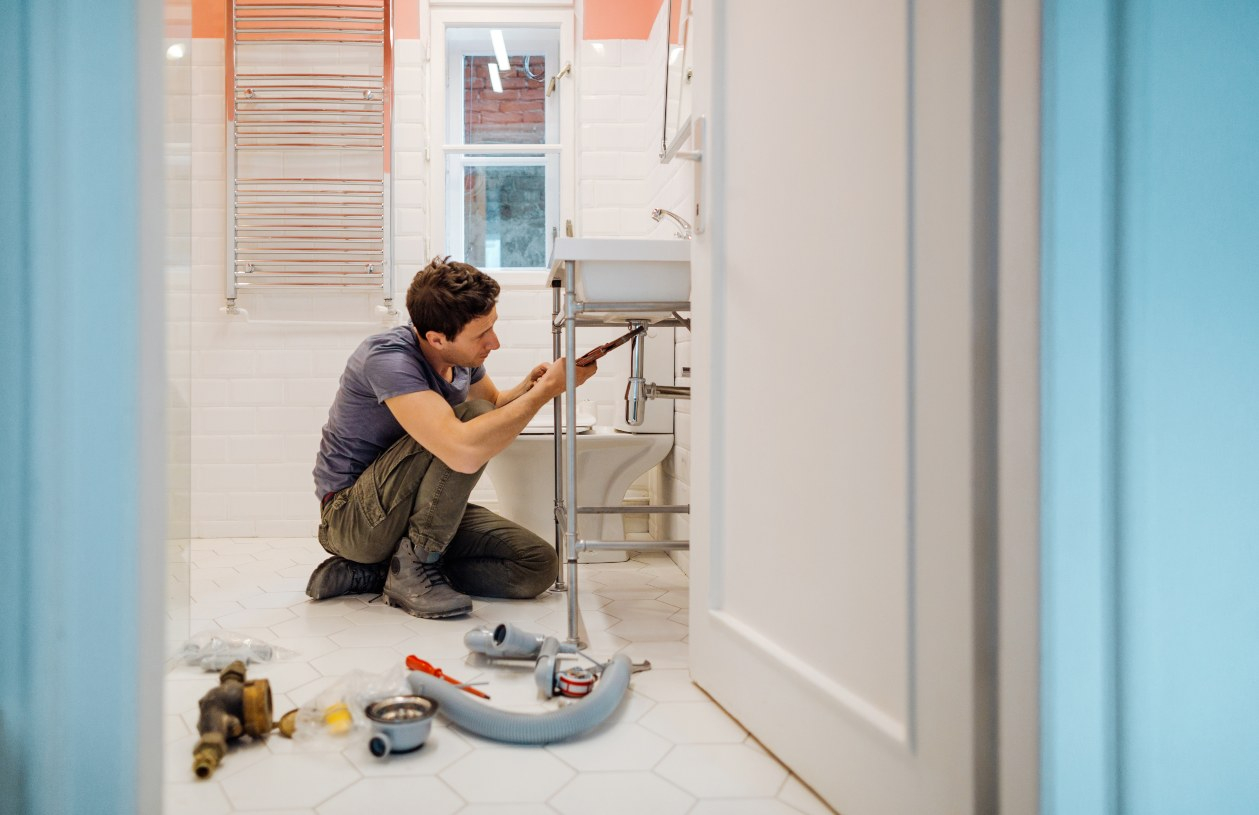
Owning a home comes with many responsibilities, and regular maintenance is one of the most important. Small problems can develop quietly in different parts of a house, including the plumbing system, roof, walls, electrical fixtures, heating equipment, and flooring. At first, these issues may seem harmless. However, ignoring them for too long can lead to costly repairs and unnecessary stress.
The good news is that many household problems show early warning signs. A small water stain, an unusual smell, a dripping faucet, or a door that suddenly becomes difficult to close may indicate that something needs attention. Learning to recognize these signs can help homeowners take action before the damage becomes more serious.
You do not need to be a professional contractor to notice many common maintenance problems. With regular inspections and a little knowledge, you can identify potential issues and decide when to handle a simple task yourself or contact a qualified professional.
Why Early Detection Matters for Homeowners
A home contains many connected systems that work together every day. When one part develops a problem, the effects can spread to other areas if the issue remains unresolved.
For example, a small plumbing leak beneath a sink may damage a cabinet, create unpleasant odors, and encourage mold growth. Similarly, a loose roof shingle can allow water to enter the attic, where moisture may damage insulation, ceilings, and wooden structures.
Finding these problems early gives you more options. A minor repair is often easier to manage than extensive damage that has developed over several months.
Early detection can also help you plan your household budget. Instead of facing an unexpected emergency, you may be able to schedule repairs at a convenient time and compare qualified service providers.
Regular maintenance is not about finding something wrong with every part of your home. It is about recognizing changes, understanding their possible causes, and responding before a small concern becomes a major expense.
Check for Plumbing Problems Before Water Damage Spreads
Plumbing issues are among the most common household problems because pipes, faucets, toilets, and drains receive frequent use. Even a slow leak can waste water and damage nearby surfaces.
Look for Water Stains and Damp Areas
Inspect the areas beneath kitchen and bathroom sinks, around toilets, near washing machines, and along visible pipes. Look for wet patches, swollen cabinets, peeling paint, or discoloration on walls and ceilings.
A yellow or brown ceiling stain may indicate a leak from a bathroom, roof, or plumbing line above it. However, the stain alone does not identify the exact source.
Do not simply paint over a water stain without investigating the cause. The surface may look better temporarily while moisture continues to damage the structure behind it.
If you find active leaking, shut off the relevant water supply when it is safe to do so and arrange a repair. Persistent dampness or recurring stains deserve professional attention.
Listen for Running Toilets and Dripping Faucets
A toilet that continues refilling after a flush may have a faulty flapper, fill valve, or another internal component. A dripping faucet may have a worn washer, cartridge, or seal.
These problems may appear minor, but they can waste water over time. They can also indicate that a fixture needs maintenance.
Pay attention to the sound of water when all taps and water-using appliances are switched off. If you hear unexplained running water, investigate the fixtures and check whether your water meter continues moving when no water is being used.
If you cannot identify the cause, a plumber can help diagnose the problem.
Notice Slow Drains
Water that drains slowly from a sink, bathtub, or shower may indicate a buildup of hair, soap residue, grease, or other material.
Addressing a small blockage early may prevent a complete drain obstruction. Remove visible debris from accessible drain covers and clean them according to the fixture manufacturer’s instructions.
Avoid repeatedly using harsh chemical drain cleaners, particularly when the cause of the blockage is unknown. These products can damage some plumbing materials and create hazards if handled incorrectly.
If several drains become slow at the same time, sewage odors appear, or wastewater backs up, the problem may involve a larger section of the drainage system. Contact a qualified plumber.
Inspect the Roof and Gutters for Early Warning Signs
Your roof protects the house from rain, wind, and other weather conditions. Problems in the roofing system can allow moisture to enter the building and affect several areas at once.
Look for Missing or Damaged Shingles
From the ground, check whether any shingles appear missing, curled, cracked, or out of place. You may also notice roofing material collecting near downspouts after a storm.
These signs can indicate that the roof needs inspection. Damaged shingles do not always mean water is already entering the house, but they can leave vulnerable areas exposed.
Avoid climbing onto the roof unless you have the proper training and safety equipment. A qualified roofing professional can inspect difficult or dangerous areas.
Check Ceilings and Attic Spaces
Look for new water stains, damp insulation, musty odors, or visible moisture in accessible attic areas. These signs may point to roof leaks, condensation, or ventilation problems.
Inspect after heavy rainfall when possible, but do not enter an attic with unsafe flooring, exposed wiring, or other hazards.
If you discover moisture, try to identify whether it follows a recent storm or appears consistently. This information can help a professional narrow down the source.
Keep Gutters and Downspouts Clear
Gutters carry rainwater away from the roof and direct it toward suitable drainage areas. When they become blocked with leaves and debris, water may overflow near the home’s walls or foundation.
Check for sagging gutters, overflowing water, loose brackets, and downspouts that discharge too close to the house.
Clean gutters using safe methods or hire a professional if they are high, difficult to reach, or damaged. Make sure downspouts direct water away from the foundation in a way that suits your property and local drainage conditions.
Identify Electrical Problems Before They Become Dangerous
Electrical issues require particular care because they can create fire and shock hazards. Homeowners can recognize warning signs, but repairs inside electrical panels, wiring, outlets, and other electrical components should be handled by qualified professionals.
Watch for Frequently Tripping Breakers
A circuit breaker may trip when a circuit is overloaded or when an electrical fault occurs. If it happens repeatedly, do not keep resetting the breaker without investigating the reason.
Notice which appliances were operating when the problem occurred. A qualified electrician can determine whether the circuit is overloaded, an appliance is faulty, or another electrical issue is present.
Never replace a breaker with one rated for a higher current simply to stop it from tripping. Doing so can create a serious safety risk.
Check for Warm Outlets and Burning Smells
Outlets, switches, or electrical cords that feel unusually warm, smell like burning plastic, or show discoloration may indicate an electrical problem.
Stop using the affected outlet or appliance. If you notice smoke, sparks, or an active electrical fire, move away and contact emergency services. Do not touch damaged electrical equipment or attempt to put water on an electrical fire.
Arrange a qualified inspection before using the affected equipment again.
Pay Attention to Flickering Lights
A light that flickers occasionally may have a loose bulb or another simple cause. However, repeated flickering across multiple rooms can indicate a wiring issue, an overloaded circuit, or a problem with the electrical supply.
If lights dim noticeably when appliances start, or flickering occurs alongside unusual sounds or burning odors, seek professional assistance.
Avoid opening switches, outlets, or electrical panels unless you are qualified to work on them.
Recognize Heating and Cooling System Problems
Heating, ventilation, and air conditioning equipment can become less efficient when filters are dirty, airflow is restricted, or components begin to fail. Regular checks can help identify problems before the system stops working completely.
Notice Changes in Heating or Cooling
If a room suddenly becomes much warmer or colder than usual, check for simple issues such as an incorrect thermostat setting, a blocked supply vent, or a dirty filter.
A system that runs constantly without maintaining the desired temperature may have a maintenance issue, restricted airflow, or a more serious fault.
Do not assume that every temperature difference requires a new heating or cooling unit. A professional can identify whether cleaning, a repair, or another adjustment is needed.
Replace Filters as Recommended
Dirty HVAC filters restrict airflow and allow more dust to circulate through the system. They can also contribute to reduced performance.
Check your filter regularly and replace or clean it according to the manufacturer’s instructions. The appropriate schedule depends on the filter type, household conditions, pets, and system usage.
A clean filter is a simple maintenance step, but it cannot correct every heating or cooling problem.
Listen for Unusual Noises
Grinding, rattling, banging, or persistent buzzing may indicate loose parts, a failing motor, or another mechanical issue.
Turn off the equipment if the noise is severe, the system smells like it is burning, or you notice smoke or signs of overheating. Contact a qualified technician rather than opening the equipment and attempting an unfamiliar repair.
For fuel-burning heating equipment, maintain working carbon monoxide alarms and follow the manufacturer’s inspection and maintenance recommendations.
Look for Cracks and Changes in Walls or Foundations
Small cracks in paint or plaster can occur as a house settles or materials respond to temperature changes. However, certain changes deserve closer attention.
Monitor Cracks Around Doors and Windows
Look for cracks that appear suddenly, become wider, or extend diagonally from the corners of doors and windows.
Also notice whether doors begin sticking, windows become difficult to open, or gaps appear around frames. These changes can result from humidity, swollen materials, foundation movement, or other causes.
A single small crack does not automatically indicate structural damage. The pattern, location, width, and rate of change matter.
Take dated photographs of concerning cracks so you can compare their appearance over time. If they grow quickly, appear alongside uneven floors, or affect several parts of the house, arrange an inspection by an appropriate building professional.
Check the Foundation and Exterior Walls
From a safe location, look for significant cracks in visible foundation areas, sections of wall that appear to bow, or gaps that develop between walls and adjoining structures.
Water collecting near the foundation can also create long-term problems, especially when drainage is poor.
Do not fill a major crack simply to improve its appearance before understanding its cause. A professional may need to determine whether it is cosmetic or connected to movement, moisture, or another structural issue.
Prevent Bathroom Mold and Moisture Damage
Bathrooms experience frequent moisture, which makes them especially vulnerable to mold, damaged sealant, and peeling paint.
Inspect Sealant Around Tubs and Showers
Check the sealant around bathtubs, shower trays, sinks, and other wet areas. Cracked, missing, or separating sealant can allow water to reach surfaces behind the fixture.
If the affected area is small and the surrounding material is dry and undamaged, replacing the sealant may be a manageable maintenance task for a homeowner who follows the product instructions.
However, if you find soft walls, extensive discoloration, persistent moisture, or recurring mold, investigate the underlying problem before covering the area.
Watch for Musty Smells
A musty smell that continues after the bathroom has dried may indicate trapped moisture or hidden mold growth.
Check under sinks, around plumbing connections, behind accessible storage, and near areas where water frequently splashes. Use an exhaust fan during showers and allow it to run afterward as recommended.
Repair leaks promptly and keep the bathroom reasonably ventilated. Extensive mold growth, recurring dampness, or contamination involving heating and cooling systems may require professional assessment.
Maintain the Exhaust Fan
A noisy fan, weak airflow, or a fan that no longer operates can make it harder to control bathroom humidity.
Clean accessible covers according to the manufacturer’s instructions and make sure the fan is used properly. If it stops working or the exhaust duct appears damaged, arrange an appropriate repair.
Do not assume that opening a bathroom window alone will solve every moisture problem, especially in humid weather.
Pay Attention to Floors, Doors, and Windows
Changes in everyday fixtures can provide useful clues about moisture, wear, and movement around the home.
Look for Warped or Soft Flooring
Floorboards that lift, laminate that swells, loose tiles, or carpet that develops a damp smell may indicate water exposure or installation problems.
Check nearby plumbing fixtures and appliances if the change appears close to a sink, dishwasher, washing machine, or bathroom.
Avoid covering damaged flooring with rugs or furniture before investigating the cause. If moisture is involved, the underlying material may need drying or repair to prevent further damage.
Notice Doors That Suddenly Stick
A door that becomes difficult to close may be affected by seasonal humidity, loose hinges, or changes in the frame. If several doors begin sticking around the same time, consider whether there are broader changes in the building.
Check for obvious loose hardware first. If sticking occurs alongside large cracks, sloping floors, or gaps around windows, seek a more thorough inspection.
Check Windows for Drafts and Condensation
Drafts around windows can make rooms less comfortable and increase heating or cooling demands. Worn weatherstripping, damaged seals, or gaps around the frame may be responsible.
Condensation on the inside of windows can result from high indoor humidity and cold glass. However, moisture between the panes of a sealed double-glazed window may indicate a failed seal.
Replace worn weatherstripping where appropriate, manage indoor humidity, and have damaged window seals assessed when necessary.
Examine Appliances for Signs of Wear
Household appliances often provide warning signs before a complete breakdown. Regular visual checks can help you notice these changes early.
Washing Machines and Dishwashers
Look for water beneath the appliance, cracked hoses, loose connections, or unusual vibration. Check accessible hoses according to the manufacturer’s maintenance guidance and replace worn parts with suitable components.
If water appears near an electrical connection, do not touch the wet equipment. Disconnect power only if it is safe to do so, shut off the water supply when possible, and contact a qualified technician.
Refrigerators
Check whether the refrigerator maintains a consistent temperature and whether the door seals close properly. Excessive frost, unusual noises, or water collecting beneath the appliance may indicate a problem.
Clean accessible coils only as directed by the manufacturer and disconnect power when the instructions require it. Do not remove covers or handle refrigerant components unless qualified.
Clothes Dryers
Clean the lint screen after every load and inspect the exhaust vent regularly. Longer drying times, unusually hot surfaces, weak airflow, or a burning smell can indicate restricted airflow or another fault.
If you notice a burning odor or signs of overheating, stop using the dryer until it has been checked. Cleaning the lint screen alone does not replace maintenance of the full exhaust duct.
Build a Simple Home Inspection Routine
You do not need to inspect every part of your home every day. A basic schedule can help you remember important tasks without making maintenance feel overwhelming.
Every month: Look beneath sinks, check visible plumbing connections, test smoke and carbon monoxide alarms according to their instructions, inspect for new water stains, and check accessible appliance hoses.
Every season: Inspect the exterior after severe weather, look for damaged seals around windows and doors, clear debris from safe-to-reach drainage areas, and review heating or cooling system performance.
Once a year: Arrange appropriate roof and HVAC inspections, review the condition of accessible plumbing and electrical systems, check exterior caulking, and plan any maintenance recommended by equipment manufacturers.
After a major storm: Look for new leaks, damaged shingles visible from the ground, blocked drainage, and changes around windows or ceilings. Stay away from downed power lines and damaged electrical equipment.
Keep a small maintenance record with dates, photographs, observations, and completed repairs. This information can help you recognize recurring issues and explain the situation to a contractor.
Decide Which Problems Need Immediate Attention
Not every household issue requires an emergency call, but some warning signs should never be ignored.
Treat active water leaks, sewage backups, burning electrical smells, smoke, gas odors, and signs of carbon monoxide exposure as urgent concerns. Leave the affected area when necessary and contact the appropriate emergency service or qualified professional.
Problems such as a growing structural crack, recurring dampness, repeated breaker trips, or a heating system that fails to maintain safe conditions also deserve prompt assessment.
A loose cabinet handle, minor cosmetic crack, or worn weatherstrip may be less urgent, provided it does not hide a more serious problem.
When in doubt, prioritize safety and investigate the cause before attempting a repair. Saving money should never mean taking unnecessary risks.
How Early Maintenance Can Save Money
Early detection helps homeowners control costs in several ways. First, it can prevent damage from spreading. Fixing a leaking pipe may protect cabinets, flooring, and walls from more extensive moisture damage.
Second, routine maintenance can help appliances and home systems operate as intended. Replacing an appropriate filter or clearing a safe, accessible drain may help prevent performance problems from becoming more serious.
Third, inspections give you time to plan. When a problem is identified before an emergency develops, you may have more opportunity to compare estimates, choose suitable materials, and schedule the work.
Finally, keeping records helps you understand the condition of your property. A history of inspections and repairs can be useful when planning future improvements or discussing a problem with a contractor.
Not every repair can be predicted or prevented, but regular attention can reduce the number of avoidable surprises.
Final Thoughts
Identifying household problems early is one of the most practical ways to protect your home and manage repair expenses. Small warning signs, such as water stains, slow drains, unusual noises, damaged sealant, or changes in doors and floors, can provide important clues that something needs attention.
Make time for simple inspections, maintain your appliances according to their instructions, and keep track of changes around your property. When you discover a problem, investigate the cause instead of covering up the visible damage.
Most importantly, know when to call a professional. Electrical hazards, significant structural changes, persistent leaks, and serious ventilation problems require appropriate expertise. By combining regular maintenance with timely repairs, you can keep your home safer, more comfortable, and better prepared for the future.