
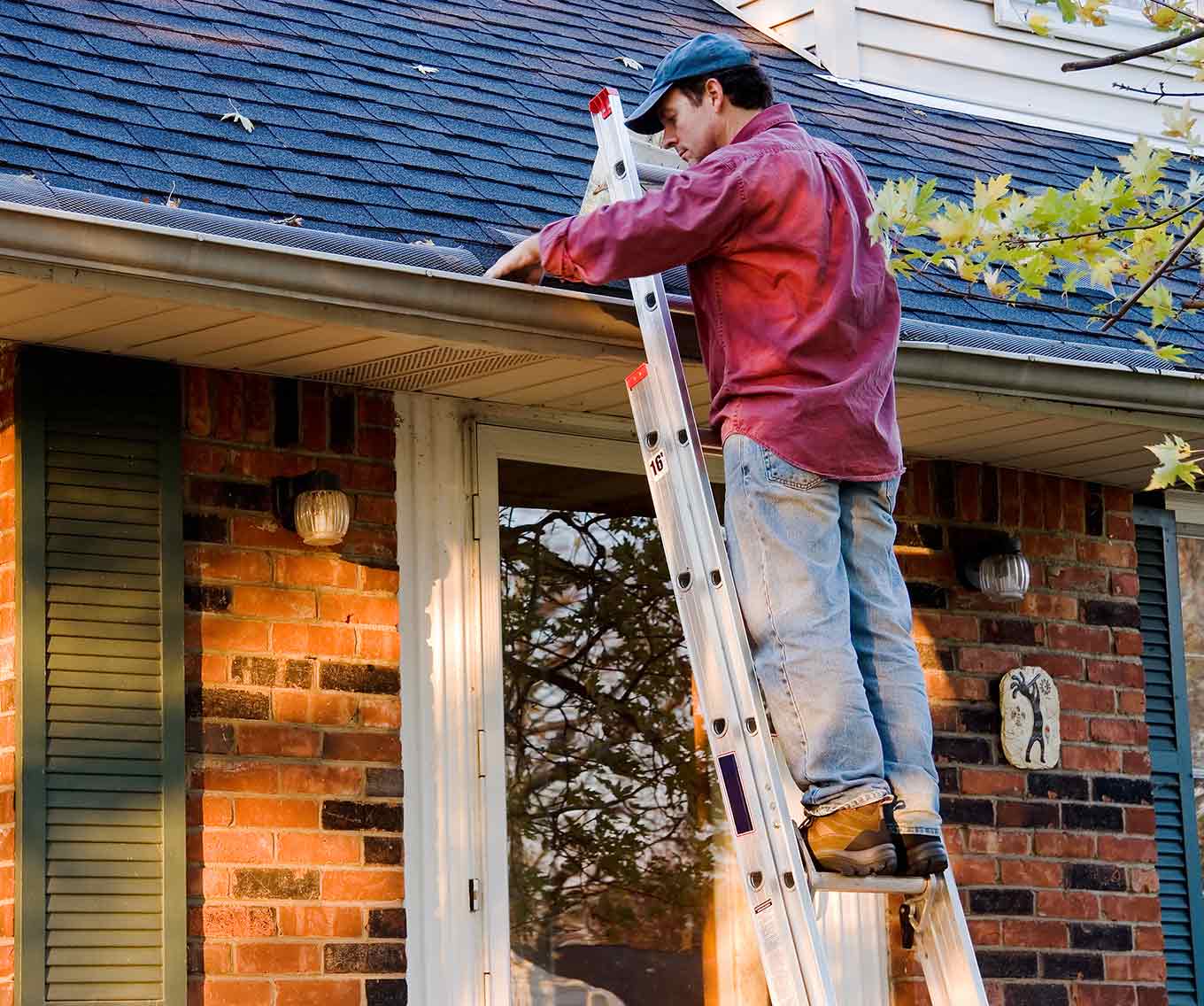
Owning a home comes with ongoing responsibilities that go far beyond keeping rooms clean and organized. Roofs, plumbing systems, heating equipment, appliances, windows, and outdoor spaces all need regular attention to remain in good condition. When small problems are ignored, they can develop into expensive repairs that disrupt everyday life.
A yearly home maintenance checklist helps homeowners stay organized and identify potential issues before they become serious. Instead of waiting for something to break, you can divide maintenance tasks across the seasons and handle them at convenient times throughout the year.
For homeowners in the United States, the best maintenance schedule depends on the local climate, the age of the property, and the type of heating, cooling, and plumbing systems installed. Some tasks need attention every month, while others are best completed before winter, during spring cleaning, or after severe weather.
This guide covers essential indoor and outdoor maintenance tasks, seasonal responsibilities, safety checks, and practical ways to keep your home in good condition throughout the year.
Why Regular Home Maintenance Matters
Regular maintenance protects the condition of your property and helps you manage household expenses more effectively. Many common home problems begin with small warning signs, such as a slow drain, a loose roof shingle, a dripping faucet, or a clogged gutter.
When these issues are identified early, repairs may be simpler and less expensive. Regular maintenance can also help appliances and mechanical systems operate efficiently and reduce the likelihood of unexpected breakdowns.
Another advantage is improved safety. Testing smoke alarms, checking electrical outlets, inspecting handrails, and keeping walkways clear can reduce certain household risks.
A well-maintained house may also be easier to sell in the future because buyers often look for evidence that the property has received consistent care.
The goal is not to repair every part of the house unnecessarily. Instead, homeowners should follow a practical schedule, monitor the condition of important systems, and address problems as they appear.
Monthly Home Maintenance Checklist
Some maintenance tasks should be completed throughout the year, regardless of the season. These regular checks help you notice changes in your home before they become more difficult to manage.
Inspect Plumbing Fixtures
Look under sinks and around toilets for signs of moisture, corrosion, or dripping water. Check faucets for leaks and pay attention to drains that empty more slowly than usual.
Small leaks can damage cabinets, flooring, and nearby materials if they continue unnoticed. If you find persistent moisture, identify the source and repair it rather than simply wiping the area dry.
Also check visible supply hoses connected to washing machines and other appliances for cracks, bulges, or signs of wear.
Test Smoke and Carbon Monoxide Alarms
Smoke alarms and carbon monoxide alarms are important safety devices in residential properties. Test them according to the manufacturer’s instructions and replace batteries when required.
Check that alarms are installed in appropriate locations and that their expiration or replacement dates have not passed. Some models have sealed batteries, while others require periodic battery replacement.
Testing alarms does not replace checking the devices’ age and condition. Replace units when recommended by the manufacturer or required by applicable safety guidance.
Check HVAC Filters
Heating, ventilation, and air conditioning systems often use filters that collect dust and airborne particles. A dirty filter can restrict airflow and reduce system performance.
Inspect the filter regularly and replace or clean it according to the manufacturer’s instructions. The appropriate interval depends on the filter type, household occupancy, pets, dust levels, and system usage.
Do not assume every filter needs replacement on the same schedule. Some systems use specialized filters that require different care.
Keep Drains and Ventilation Areas Clear
Check bathroom exhaust fans, kitchen ventilation, and visible air vents for dust buildup. Clean them when needed and make sure furniture or stored belongings are not blocking airflow.
Remove hair and debris from drain strainers to help prevent clogs. Avoid using harsh chemical drain cleaners routinely, especially if you have older plumbing or are unsure whether a product is compatible with the pipes.
Look for Signs of Pests
Inspect kitchen cupboards, pantry areas, basements, garages, and places where plumbing enters the house. Watch for droppings, damaged food packaging, insects, or small openings that could allow pests inside.
Store food in suitable containers and remove crumbs or standing water. Seal appropriate gaps and contact a pest-control professional if you find a persistent infestation.
Spring Home Maintenance Checklist
Spring is an ideal time to inspect the property after winter and prepare it for warmer weather. Cold temperatures, wind, snow, and rain can leave behind damage that may not be immediately obvious.
Inspect the Roof and Gutters
Look for missing or damaged shingles, loose flashing, visible debris, and signs of water entering the attic or upper floors. If the roof is difficult to access, arrange a professional inspection rather than climbing onto it yourself.
Clean gutters and downspouts when needed so rainwater can flow away from the house. Check that downspouts discharge water away from the foundation and that connections are secure.
Clogged gutters can cause overflow, exterior staining, and moisture problems. Addressing them before heavy spring rain can help protect the building.
Check the Foundation and Exterior Walls
Walk around the outside of your house and look for new cracks, damaged siding, peeling paint, and areas where water collects near the foundation.
Not every small crack indicates a serious structural problem, but changes in size, significant movement, water intrusion, or uneven floors deserve professional attention.
Check exterior caulking around suitable window and door joints. Replace deteriorated sealant where appropriate, using a product designed for the surface and exposure.
Prepare the Air Conditioning System
Before temperatures rise, inspect the outdoor condenser area and remove leaves or other debris that obstruct airflow. Keep plants and stored objects at the clearance recommended by the equipment manufacturer.
Replace or inspect the air filter and test the cooling system before the first prolonged period of hot weather.
If the system has not been serviced for some time, consider a qualified HVAC technician. Professional maintenance may include checking electrical connections, condensate drainage, system operation, and other components that homeowners should not service themselves.
Clean Windows and Screens
Wash windows and inspect them for damaged seals, cracked glass, or difficulty opening and closing. Clean window screens and repair small tears when practical.
Properly functioning windows can improve ventilation during mild weather and help keep insects outside.
Also check window locks and make sure emergency exits can be opened when needed.
Inspect Outdoor Areas
Clear branches, leaves, and debris from patios, decks, driveways, and walkways. Check outdoor steps and railings for loose connections or signs of deterioration.
Look over fences, gates, and exterior lighting. Repair loose boards and make sure walking surfaces are stable.
If you have a deck, inspect it for damaged boards, corrosion around connectors, and movement in the railing. Structural concerns should be assessed by a qualified professional.
Summer Home Maintenance Checklist
Summer often brings high temperatures, stronger sunlight, thunderstorms, and increased outdoor activity. Maintenance during this season should focus on cooling performance, water management, and the condition of exposed materials.
Maintain the Cooling System
During hot weather, make sure the HVAC system has adequate airflow. Keep supply and return vents clear, inspect filters, and pay attention to unusual sounds, weak cooling, or unexpected increases in energy use.
If the air conditioner repeatedly shuts down, leaks water, or cannot maintain a reasonable indoor temperature, arrange a professional inspection.
Avoid opening electrical compartments or handling refrigerants yourself. These tasks require appropriate training and equipment.
Inspect Plumbing and Outdoor Faucets
Check outdoor faucets, irrigation connections, and visible pipes for leaks. If your property has an irrigation system, look for broken sprinkler heads and areas that receive too much or too little water.
Use irrigation schedules appropriate for your local climate and landscaping. Overwatering can waste water and contribute to moisture problems near the foundation.
If you have a swimming pool, follow the manufacturer’s maintenance instructions and keep safety barriers and access controls in working condition.
Examine Exterior Paint and Sealants
Sunlight and weather can cause exterior paint to fade, crack, or peel. Inspect siding, trim, doors, and other painted surfaces for signs of deterioration.
Small areas may need cleaning, scraping, priming, and repainting. If large sections are peeling or the underlying material is damaged, determine the cause before applying another coat.
Check sealant around appropriate exterior joints, but avoid sealing areas designed for drainage or ventilation.
Clean Dryer Vents
Lint can accumulate in dryer exhaust systems and restrict airflow. Clean the lint screen after each load and inspect the exhaust duct periodically according to the appliance manufacturer’s instructions.
If the vent is difficult to access or has significant buildup, arrange professional cleaning. A properly maintained exhaust system helps the dryer operate as intended and reduces a potential fire hazard.
Prepare for Severe Weather
Summer storms can bring heavy rain, strong winds, and power outages. Check that outdoor furniture and loose objects can be secured before storms arrive.
Review your household emergency supplies, including flashlights, batteries, first-aid items, and drinking water. Keep trees and branches that pose a risk to the property professionally maintained.
Homeowners in areas prone to hurricanes, tornadoes, or severe thunderstorms should follow local emergency guidance and prepare according to the risks in their region.
Fall Home Maintenance Checklist
Fall is the time to prepare your home for colder temperatures and increased heating demand. Completing a few important tasks before winter can help prevent avoidable damage.
Service the Heating System
Have your heating system inspected when recommended by the manufacturer or your service professional. A qualified technician can evaluate its condition and identify maintenance needs before the coldest weather arrives.
Replace or inspect the filter and make sure vents are not blocked by furniture or rugs.
For fuel-burning equipment, proper venting and combustion safety are especially important. Never ignore unusual odors, repeated shutdowns, or signs of exhaust problems. If you suspect a carbon monoxide issue, leave the affected area and contact emergency services or the appropriate utility from a safe location.
Clean Gutters After Leaves Fall
Fallen leaves can block gutters and downspouts, especially when trees are close to the house. Remove accumulated debris and check that water flows freely.
Use suitable safety equipment and avoid working on ladders in wet, windy, or icy conditions. If the roofline is high or difficult to reach, hire a professional.
Protect Pipes From Freezing
In regions with freezing winters, identify pipes located in unheated areas such as garages, crawl spaces, and exterior walls.
Insulate vulnerable pipes where appropriate, repair drafts around pipe openings, and understand how to shut off the main water supply if a pipe bursts.
When freezing weather is expected, follow local guidance for protecting plumbing. If you plan to leave the home for an extended period, arrange suitable indoor temperature settings and have someone check the property when possible.
Check Doors and Windows for Drafts
Inspect weatherstripping around exterior doors and operable windows. Replace worn materials and repair damaged seals where necessary.
Drafts can make rooms uncomfortable and increase heating costs. However, avoid blocking required ventilation openings or interfering with combustion-air requirements for fuel-burning equipment.
If doors or windows are difficult to operate, check whether the issue is caused by worn hardware, damaged seals, or changes in the frame.
Inspect Fireplaces and Chimneys
If you use a fireplace or wood-burning stove, have the chimney and venting system inspected and cleaned as recommended by a qualified professional.
Creosote and other deposits can accumulate in chimneys, increasing the risk of a chimney fire. Check that the damper works correctly and that the area around the fireplace is free of combustible clutter.
Use only suitable fuel and follow the appliance manufacturer’s safety instructions.
Winter Home Maintenance Checklist
Winter maintenance focuses on indoor comfort, moisture control, safe heating, and preventing cold-weather damage.
Watch for Ice Dams and Roof Leaks
In snowy regions, ice can accumulate along roof edges and interfere with drainage. Water may then enter the building and damage ceilings, walls, or insulation.
Watch for water stains, unusual dampness, and visible ice buildup. Avoid climbing onto an icy roof or attempting dangerous removal methods.
If ice dams recur, professional advice about insulation, ventilation, and roof conditions may help address the underlying problem.
Prevent Condensation and Moisture Buildup
Cold weather can increase condensation on windows and other cool surfaces, especially when indoor humidity is high.
Use bathroom and kitchen exhaust fans where appropriate, repair leaks, and maintain suitable ventilation. If condensation occurs regularly, review indoor humidity and identify possible sources of excess moisture.
Persistent dampness should not be ignored because it can damage finishes and encourage mold growth.
Check Heating Safety
Keep portable heaters away from curtains, bedding, furniture, and other combustible materials. Follow the manufacturer’s clearance requirements and never leave an unsafe heating setup unattended.
Fuel-burning heaters should be used only when designed and approved for the intended indoor application. Never use outdoor grills or outdoor fuel-burning equipment inside the home or garage.
Test smoke and carbon monoxide alarms according to their instructions and keep heating equipment properly maintained.
Clear Snow and Ice Safely
If snow and ice are common in your area, maintain safe access to entrances, steps, and walkways. Use appropriate snow-removal methods and follow local guidance for ice-melting products.
Be cautious when clearing snow because overexertion and slippery surfaces can cause injuries. For large areas or difficult conditions, consider professional assistance.
Also make sure exterior drainage paths remain clear so melting snow can move away from the house.
Check Indoor Plumbing
Inspect exposed pipes under sinks and in unheated areas during cold weather. Watch for reduced water flow, leaks, or unusual frost on pipes.
If a pipe freezes, avoid using an open flame to thaw it. Contact a qualified plumber if you cannot safely address the problem or if a pipe has already burst.
Knowing the location of your main water shutoff can help you respond quickly to a plumbing emergency.
Essential Home Maintenance Tasks for Every Season
Some tasks do not fit neatly into a single season. They should be completed according to the equipment manufacturer’s instructions, the property’s condition, and local requirements.
Maintain Major Appliances
Check washing machines, dishwashers, refrigerators, ovens, and other frequently used appliances for unusual sounds, leaks, damaged hoses, and reduced performance.
Clean appliance filters and accessible components according to the manufacturer’s guidance. Refrigerator coils, dishwasher filters, and washing machine dispensers may need periodic attention depending on the model.
Avoid removing covers or handling electrical components unless the manufacturer specifically identifies the task as suitable for homeowners.
Inspect Electrical Safety
Look for damaged cords, loose outlets, warm switches, flickering lights, and frequently tripped circuit breakers.
Do not ignore burning smells, sparks, or outlets that feel unusually hot. Stop using the affected equipment and contact a qualified electrician. If there is an immediate fire risk, move away and contact emergency services.
Avoid overloading outlets or using damaged extension cords as permanent wiring.
Check Water Heaters
Inspect the area around the water heater for leaks, corrosion, or unusual moisture. Follow the manufacturer’s maintenance schedule and keep the surrounding area clear.
The correct maintenance procedure depends on whether the unit is a tank, tankless, electric, or fuel-burning model. Some maintenance tasks should be performed by a qualified professional.
If the water heater is producing unusual noises, leaking, or failing to provide consistent hot water, have the problem evaluated.
Maintain Safety Equipment
Check fire extinguishers, first-aid supplies, emergency lighting, and other household safety equipment as appropriate.
Make sure family members know where important supplies are stored and how to shut off the water or electricity when necessary. If your household uses natural gas or propane, learn the appropriate emergency procedures for your equipment and local area.
Home Maintenance Checklist by Frequency
A simple schedule makes it easier to spread tasks throughout the year instead of handling everything at once.
| Frequency | Recommended Tasks |
| Monthly | Check visible plumbing leaks, test alarms as instructed, inspect HVAC filters, look for pest activity |
| Every few months | Clean ventilation covers, inspect appliance hoses, review indoor moisture, check outdoor drainage |
| Spring | Inspect roof and gutters, examine the foundation, prepare air conditioning, clean windows |
| Summer | Maintain cooling equipment, inspect outdoor plumbing, clean dryer vents, check exterior paint |
| Fall | Service heating equipment, clean gutters, protect vulnerable pipes, inspect fireplaces |
| Winter | Monitor indoor moisture, check heating safety, prevent frozen pipes, clear snow safely |
| Annually or as recommended | Review major systems, inspect safety equipment, arrange professional maintenance where needed |
This schedule is a starting point rather than a universal rule. For example, a heavily used HVAC filter may need more frequent replacement, while some equipment requires maintenance at specific intervals stated by the manufacturer.
How to Create a Home Maintenance Budget
A maintenance checklist is most useful when it is paired with a realistic budget. Unexpected repairs can place pressure on household finances, particularly when several systems need attention at the same time.
Start by listing the home’s major components, including the roof, HVAC system, water heater, appliances, plumbing, and exterior surfaces. Record their approximate ages, recent repairs, and any maintenance recommendations.
Set aside money regularly for routine maintenance and unexpected problems. The amount needed varies according to the home’s size, age, location, condition, and the cost of labor in your area.
It can be helpful to separate routine expenses from larger replacement projects. Cleaning gutters or changing filters is different from replacing a roof or heating system, so these costs should not be treated as identical.
Keep receipts, service reports, warranties, and maintenance notes in one place. These records help you remember when work was completed and can be useful when troubleshooting a problem or selling the house.
Most importantly, do not postpone urgent repairs simply to stay within a monthly budget. Water intrusion, electrical hazards, heating failures in freezing weather, and structural concerns may require prompt attention.
Common Home Maintenance Mistakes to Avoid
One common mistake is waiting until equipment stops working before arranging maintenance. Regular inspections may reveal warning signs earlier and provide more time to plan repairs.
Another mistake is assuming that every home requires the same maintenance schedule. A house in a snowy climate has different needs from one in a hot, humid region. The property’s age, construction, and surrounding trees also affect the work required.
Homeowners sometimes focus on visible improvements while ignoring less noticeable problems. A fresh coat of paint cannot solve a leaking roof, and new flooring will not fix moisture entering through the foundation.
Avoid attempting dangerous work without suitable training. Roof repairs, complicated electrical work, gas equipment servicing, and structural repairs may require qualified professionals.
Finally, do not forget to record completed tasks. Without a simple maintenance log, it is easy to repeat work unnecessarily or overlook important service intervals.
Final Thoughts
A complete home maintenance checklist helps homeowners protect their property, maintain comfort, and reduce the risk of unexpected repairs throughout the year. Monthly inspections, seasonal preparation, regular cleaning, and timely professional servicing can make homeownership more manageable.
Spring is a useful time to inspect the exterior and prepare cooling equipment. Summer is suitable for outdoor upkeep and checking ventilation. Fall helps homeowners prepare for colder weather, while winter calls for extra attention to heating safety, plumbing, and moisture.
You do not need to complete every task in a single weekend. Create a schedule that fits your home, keep records of completed work, and prioritize problems that affect safety or could cause further damage. With consistent care, you can keep your home in better condition and make informed decisions about future repairs and improvements.