
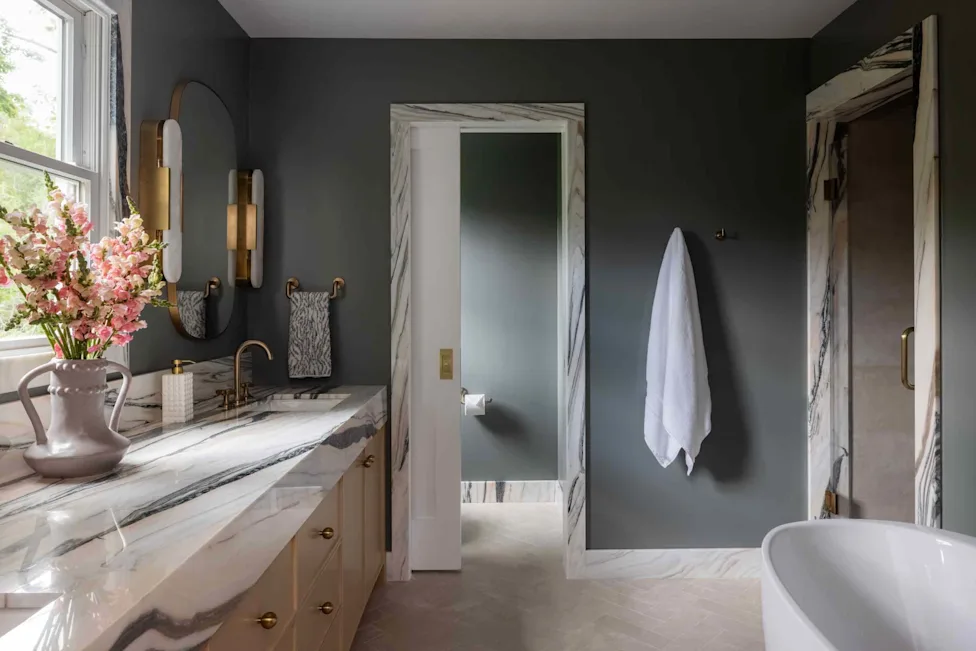
Choosing a paint color is only one part of creating a beautiful home. The finish you select can make an equally important difference in how your walls look, how easily they can be cleaned, and how well they handle everyday use. A color that looks perfect on a sample card may appear very different once it covers an entire room in a glossy or matte finish.
For most American homes, satin paint is a practical choice for kitchen walls, satin or moisture-resistant semi-gloss works well in bathrooms, and eggshell is a popular option for bedrooms and living rooms. The best choice ultimately depends on the room’s moisture level, traffic, wall condition, and cleaning needs.
This guide explains the main interior paint finishes and how to choose the right one for each room.
What Is a Paint Finish?
A paint finish, also called paint sheen, describes how much light a painted surface reflects. Some finishes look almost completely flat, while others have a noticeable shine.
The finish affects more than appearance. It also influences how easily walls can be cleaned and how clearly small dents, patches, and surface imperfections show through the paint.
Before buying paint, it helps to understand the most common options.
Flat or Matte Finish
Flat paint has little to no shine. It creates a soft, smooth-looking appearance and helps hide minor wall imperfections because it reflects very little light.
This finish is often used on ceilings and in rooms where walls do not need frequent scrubbing. Traditional flat paint can be difficult to clean, although some modern washable matte products offer better durability.
Eggshell Finish
Eggshell has a subtle sheen similar to the surface of an eggshell. It provides a little more reflectivity than flat paint without looking noticeably glossy.
It is a popular choice for bedrooms, living rooms, dining rooms, and other everyday living spaces. Eggshell offers a balance between appearance and cleanability, making it suitable for many residential interiors.
Satin Finish
Satin paint has a soft, noticeable sheen. It reflects more light than eggshell and is generally easier to wipe clean when the product is designed for that purpose.
This makes satin a useful option for kitchens, hallways, family rooms, and bathrooms when the paint is suitable for humid conditions. Its main disadvantage is that it can reveal wall imperfections more clearly than flatter finishes.
Semi-Gloss Finish
Semi-gloss paint has a more reflective surface and is commonly selected for doors, baseboards, cabinets, and trim. It is generally durable and easy to clean.
Some homeowners also use semi-gloss on bathroom walls or other areas that need frequent wiping. However, the shine can highlight uneven drywall, dents, and poor patch repairs, so careful preparation is important.
High-Gloss Finish
High-gloss paint produces a strong shine and can create a dramatic, polished appearance. It is often used on selected furniture, cabinets, decorative details, and trim.
Because it reflects so much light, high-gloss paint makes surface flaws particularly noticeable. It is usually better for smaller features than for covering every wall in a typical home.
Best Paint Finish for Kitchen Walls
The kitchen is one of the busiest rooms in a home. Cooking creates grease, steam, and food splashes, while frequently touched areas around switches and counters can develop marks over time. The paint finish should therefore balance appearance with easy maintenance.
Why Satin Is a Practical Kitchen Choice
Satin is a strong all-around choice for kitchen walls because it offers a modest sheen and generally provides better cleanability than traditional flat paint.
It works well in kitchens where walls need occasional wiping but homeowners do not want an overly shiny appearance. Satin can also complement modern cabinets, natural wood finishes, and neutral wall colors.
Before purchasing, check the manufacturer’s cleaning and durability specifications. Products with similar finish names can perform differently across brands.
When to Consider Semi-Gloss
Semi-gloss may be appropriate for kitchen cabinets, trim, doors, and selected areas that need frequent cleaning. It is particularly useful when a durable, reflective finish is desired.
However, semi-gloss is not necessary for every kitchen wall. A highly reflective surface can draw attention to wall defects and create more glare under bright task lighting.
For most kitchens, a sensible combination is satin on the walls and semi-gloss on suitable trim or cabinet surfaces.
Kitchen Painting Tips
Clean cooking residue from the walls before painting. Grease can interfere with adhesion and cause the finish to look uneven. Repair damaged areas and use a suitable primer where necessary.
Near a stove or sink, paint alone may not provide enough protection against repeated splashes. A suitable backsplash and proper ventilation can help protect the wall and extend the life of the paint.
Best Paint Finish for Bathrooms
Bathrooms have different requirements because humidity and occasional splashes can affect painted surfaces. The best finish depends on how well the room is ventilated and how close the painted wall is to a shower, bathtub, or sink.
Satin for Many Bathroom Walls
Satin is often a good choice for ordinary bathroom walls because it combines a relatively soft appearance with useful cleanability.
For a powder room or a well-ventilated bathroom that does not experience heavy moisture, a quality satin paint may provide a good balance. Look for a product specifically recommended for bathroom use when humidity is a concern.
Semi-Gloss for Areas That Need More Cleaning
Semi-gloss is another option for bathrooms, particularly on trim, doors, and suitable wall surfaces that require frequent wiping. Its harder, more reflective finish can make routine cleaning easier.
The drawback is that it can emphasize uneven surfaces. If your bathroom walls have visible patches or texture differences, prepare them carefully before applying a shinier coating.
Moisture Resistance Matters
The paint finish alone does not solve every moisture problem. Persistent humidity, plumbing leaks, and inadequate ventilation can damage paint regardless of its sheen.
Use an appropriate bathroom paint, operate an exhaust fan when needed, and allow moisture to escape after showers. Repair leaks and address existing mold or dampness before repainting. Painting over a moisture problem will not fix its underlying cause.
For bathroom ceilings, flat paint may be appropriate in a dry, well-ventilated space, while a suitable moisture-resistant ceiling product may be preferable in a humid bathroom.
Best Paint Finish for Bedrooms
Bedrooms are generally less exposed to grease, splashes, and frequent cleaning than kitchens and bathrooms. This gives homeowners more flexibility when selecting a finish.
The main priorities are often comfort, appearance, and the ability to maintain the walls without making minor imperfections stand out.
Eggshell for Everyday Bedrooms
Eggshell is a dependable choice for most bedroom walls. Its soft sheen gives the room a finished appearance without producing too much reflection.
It is suitable for adult bedrooms, guest rooms, and many primary bedrooms. Eggshell also provides a practical middle ground for homeowners who want a softer look than satin but need more cleanability than traditional flat paint.
Neutral shades, soft greens, warm whites, and muted blues can work well with this finish, depending on the furniture, lighting, and overall design.
Matte for a Calm, Soft Appearance
Matte paint is worth considering if the bedroom walls have small imperfections or you prefer a low-reflection appearance.
Because matte surfaces diffuse light, they can make a room feel visually softer. This can be especially useful in older homes where walls are not perfectly smooth.
The main consideration is cleaning. Traditional matte paint may show marks when scrubbed, so choose a washable matte product if the walls are likely to need regular maintenance.
Satin for Children’s Bedrooms
Satin may be a more practical choice for children’s bedrooms or rooms that receive heavy daily use. Walls can collect fingerprints, scuffs, and marks from toys or furniture.
A durable, washable satin product can make routine cleaning easier. However, if the walls are uneven, eggshell may provide a more forgiving appearance.
The best choice depends on whether easy maintenance or hiding imperfections is the higher priority.
Best Paint Finish for Living Rooms
Living rooms are often used for relaxing, entertaining guests, watching television, and spending time with family. Since these rooms are visible throughout the day, homeowners usually want a finish that looks attractive without requiring excessive maintenance.
Eggshell and matte are popular choices, while satin can be useful in busy family spaces.
Eggshell for a Balanced Look
Eggshell is one of the most versatile options for living room walls. It offers a gentle sheen that works with traditional, contemporary, and transitional interiors.
It is also a practical option for homes where the living room receives moderate use. The finish is usually easier to wipe than traditional flat paint, while remaining less reflective than satin or semi-gloss.
If you are repainting a large living room, test the color in natural and artificial light before committing. The same shade can look warmer, cooler, lighter, or darker depending on the room’s lighting.
Matte for a Sophisticated Appearance
Matte paint can give a living room a relaxed, understated look. It is especially appealing when the walls have small imperfections or when you want the color to appear less reflective.
This finish can work beautifully in formal living rooms and spaces where the walls are not touched frequently. Modern washable matte paints may also be suitable for family rooms, depending on the product’s specifications.
Satin for Busy Family Rooms
If your living room doubles as a play area or a main route through the house, satin may be a better practical choice. It generally handles routine wiping more effectively than traditional flat paint.
The increased sheen can make surface imperfections more noticeable, however. Proper preparation is particularly important when painting older walls or areas that receive strong light from large windows.
Comparing Paint Finishes at a Glance
The following table provides a quick way to compare common interior finishes and their typical uses.
| Paint Finish | Appearance | Main Advantage | Common Uses |
| Flat | Almost no shine | Hides minor wall flaws | Ceilings, low-traffic rooms |
| Matte | Soft, low-reflection look | Creates a subtle appearance | Bedrooms, living rooms |
| Eggshell | Gentle sheen | Balances looks and cleanability | Bedrooms, living rooms, dining rooms |
| Satin | Soft, noticeable sheen | Generally easier to clean | Kitchens, bathrooms, family rooms |
| Semi-gloss | Clear, reflective shine | Durable and easy to wipe | Trim, doors, cabinets, selected bathroom surfaces |
| High-gloss | Strong, polished shine | Creates a dramatic finish | Decorative details, furniture, selected cabinets |
These are general recommendations rather than strict rules. Paint formulations vary, so always check the manufacturer’s guidance for the particular surface and room.
How Paint Finish Changes the Appearance of a Room
Two walls painted the same color can look different when they use different finishes. This happens because each finish reflects light differently.
A matte wall tends to look softer because it reflects less direct light. A satin or semi-gloss wall reflects more light, which can make the color appear brighter or more pronounced under certain conditions.
This difference matters when choosing paint for rooms with large windows, recessed lighting, or strong overhead fixtures.
Consider the Condition of the Walls
If your walls have small dents, patch marks, or uneven textures, flatter finishes may be more forgiving. Shinier finishes tend to reveal these flaws, especially when light falls across the wall at an angle.
Before choosing a high-sheen product, inspect the walls during the day and at night. Repair noticeable imperfections and apply primer where needed.
Match the Finish to Your Cleaning Routine
Think about how the room is used. A formal guest bedroom may not need the same cleanability as a kitchen or a child’s bedroom.
If the walls are likely to be wiped frequently, choose a product designed to withstand cleaning. If appearance and hiding minor flaws are more important, a flatter finish may be a better match.
Should You Use Different Finishes in the Same Room?
Yes. Using more than one finish in a room is a common way to balance appearance and durability.
For example, a living room might have eggshell walls, flat ceilings, and semi-gloss baseboards and door trim. Each surface receives a finish suited to its purpose.
In a kitchen, satin walls paired with semi-gloss cabinet doors and trim can create a coordinated look without making every surface equally shiny.
The important point is to select finishes deliberately. You do not need to use the same sheen throughout the entire house simply because the walls share a similar color.
Common Mistakes to Avoid When Choosing Paint Finishes
One frequent mistake is selecting paint based only on color. A beautiful shade may not perform well if the finish is unsuitable for the room’s moisture or cleaning needs.
Another mistake is assuming that all satin or eggshell paints have identical durability. Formulations differ, so compare product labels and manufacturer recommendations.
Homeowners should also avoid using a shiny finish to hide damaged walls. Higher sheen usually highlights imperfections rather than concealing them. Surface preparation is essential for a smooth, attractive result.
Finally, do not assume that moisture-resistant paint replaces ventilation. Bathrooms and kitchens still need proper airflow, and any leaks or persistent dampness should be resolved before repainting.
How to Choose the Right Finish Before Buying Paint
Start by identifying the room and its main challenges. Consider moisture, cooking residue, fingerprints, children, pets, and how often the walls need to be cleaned.
Next, examine the wall condition. A flatter finish may be preferable for older or slightly uneven walls, while a more durable sheen may suit smooth surfaces in busy rooms.
Choose the paint color and finish together, then test a sample on the actual wall. Observe it at different times of day and under the lighting you normally use. If possible, check the sample after it dries completely.
Before purchasing the full amount, confirm that the paint is suitable for the surface, that the finish matches your cleaning needs, and that the product is intended for the room’s conditions.
Final Thoughts
The best paint finish depends on how each room is used. Satin is a practical option for many kitchens, while satin or suitable semi-gloss paint can work well in bathrooms. Eggshell offers a versatile balance for most bedrooms and living rooms, and matte can provide a softer appearance where frequent scrubbing is not required.
For a coordinated home, consider using eggshell on most living-area walls, a more washable finish in high-use spaces, flat paint on suitable ceilings, and semi-gloss on trim and doors. Most importantly, check the paint manufacturer’s recommendations and choose a product that suits your home’s conditions.
With the right combination of color, finish, and preparation, you can create attractive rooms that are easier to maintain and comfortable to live in.